
How Ramadan Unites Muslims Around the World
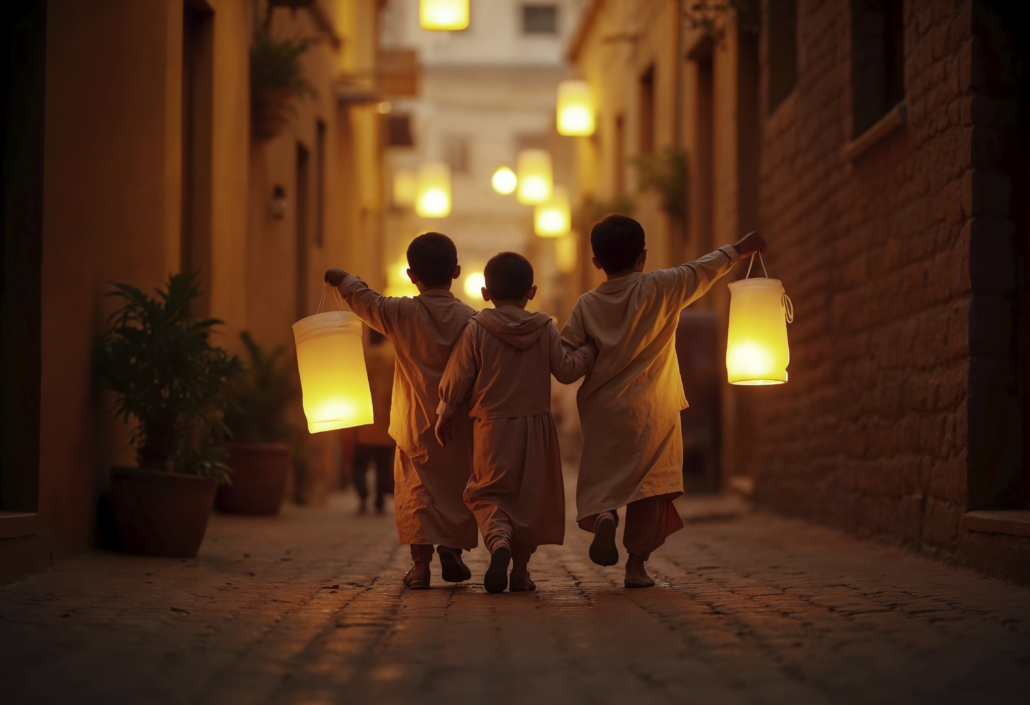
Ramadan is the ninth month of the Islamic lunar calendar and is considered one of the most sacred times for Muslims. It is a month dedicated to fasting, prayer, reflection, and good deeds. During this time, Muslims fast from dawn until sunset, refraining from food and drink while focusing on strengthening their relationship with Allah and improving their character. Beyond its religious significance, Ramadan also fosters a powerful sense of unity among Muslims worldwide. Even though Muslims live in different countries, cultures, and societies, the shared practices and values of Ramadan bring them together in a unique way.
One of the most remarkable aspects of Ramadan is how Muslims around the world follow the same core practices. From Indonesia to Yemen, from Turkey to Australia, millions of Muslims fast during the same month and break their fast at sunset. Families and communities gather for iftar, the evening meal that marks the end of the daily fast, creating moments of connection and gratitude.
Another important practice is the nightly Taraweeh prayers performed in mosques during Ramadan. These prayers bring people together in large jma’ah, strengthening the feeling of belonging to a larger global community. Even when Muslims are far from their home countries, they can still find comfort in knowing that others around the world are observing the same rituals at the same time.
The Impact of Ramadan on Muslims
Ramadan has a deep impact on Muslims both spiritually and socially. Spiritually, fasting teaches patience, self-discipline, and gratitude. By experiencing hunger and thirst, Muslims are reminded of the struggles faced by people who live in poverty, which encourages empathy and compassion.
Socially, Ramadan encourages generosity and kindness. Many people donate to charity, share meals with neighbors, and support those in need. Communities often organize charity drives and communal iftars, helping to strengthen relationships and promote social solidarity. Because millions of Muslims participate in these acts of worship and kindness simultaneously, the month creates a powerful atmosphere of unity and shared purpose.
Lessons from the Unity of Ramadan
The unity seen during Ramadan offers important lessons for Muslims and society in general. One key lesson is the importance of compassion and generosity. The spirit of helping others during Ramadan reminds people that communities become stronger when individuals care for one another.
Another lesson is the value of collective identity. Despite differences in language, culture, and nationality, Muslims come together through shared beliefs and practices. This demonstrates how common values can unite people across borders. Moreover, Ramadan highlights the importance of reflection and personal growth. It encourages individuals to improve their behavior, strengthen relationships, and focus on what truly matters in life.
In conclusion, Ramadan is not only a month of fasting and worship but also a powerful symbol of unity for Muslims around the world. Through shared practices such as fasting, communal prayers, and charity, Muslims develop a strong sense of belonging to a global community. The lessons of compassion, generosity, and unity that emerge during Ramadan serve as reminders of the values that can bring people together beyond cultural and geographical boundaries
Reference
Kabir, R., & Rabby, F. (2025). Factors affecting social bonding at Ramadan in the Muslim community: a cross-sectional study. Journal of Islamic and Social Studies (JISS), 122–139. https://doi.org/10.30762/jiss.v3i2.3319
Written by: Thrya Abdulraheem Motea Al-aqab
Edited by: Meigitaria Sanita


