
Berikut informasi terkait daftar kelas dan dosen pengampu mata kuliah Seminar Proposal Semester Genap 2024/2025 untuk reguler dan IP.
Link download:

Berikut informasi terkait daftar kelas dan dosen pengampu mata kuliah Seminar Proposal Semester Genap 2024/2025 untuk reguler dan IP.
Link download:
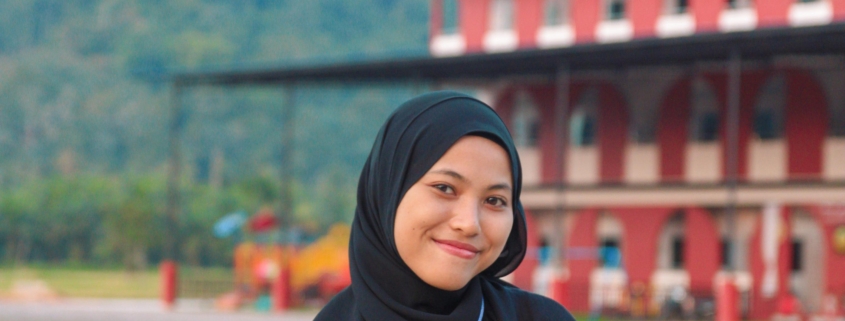
Putri Dama Dinanti mahasiswa angkatan 2022 dinyatakan lolos mewakili Prodi Ilmu Komunikasi UII untuk melakukan pengabdian masyarakat di Thailand.
Program bertajuk International Mobility dari FPSB membawanya ke sekolah Darul Maaref Foundation yang berlokasi di Satun, Thailand Selatan untuk melakukan pengabdian. Berdasarkan timeline yang ditentukan ia akan menjalani program tersebut mulai 26 Januari hingga 24 Februari 2025.
Program tersebut bertujuan untuk mengembangkan wawasan, keterampilan, serta pengalaman lintas budaya di luar negeri. Menariknya, Putri awalnya hanya iseng mendaftar untuk mengisi waktu luang selama mengisi libur semester ganjil.
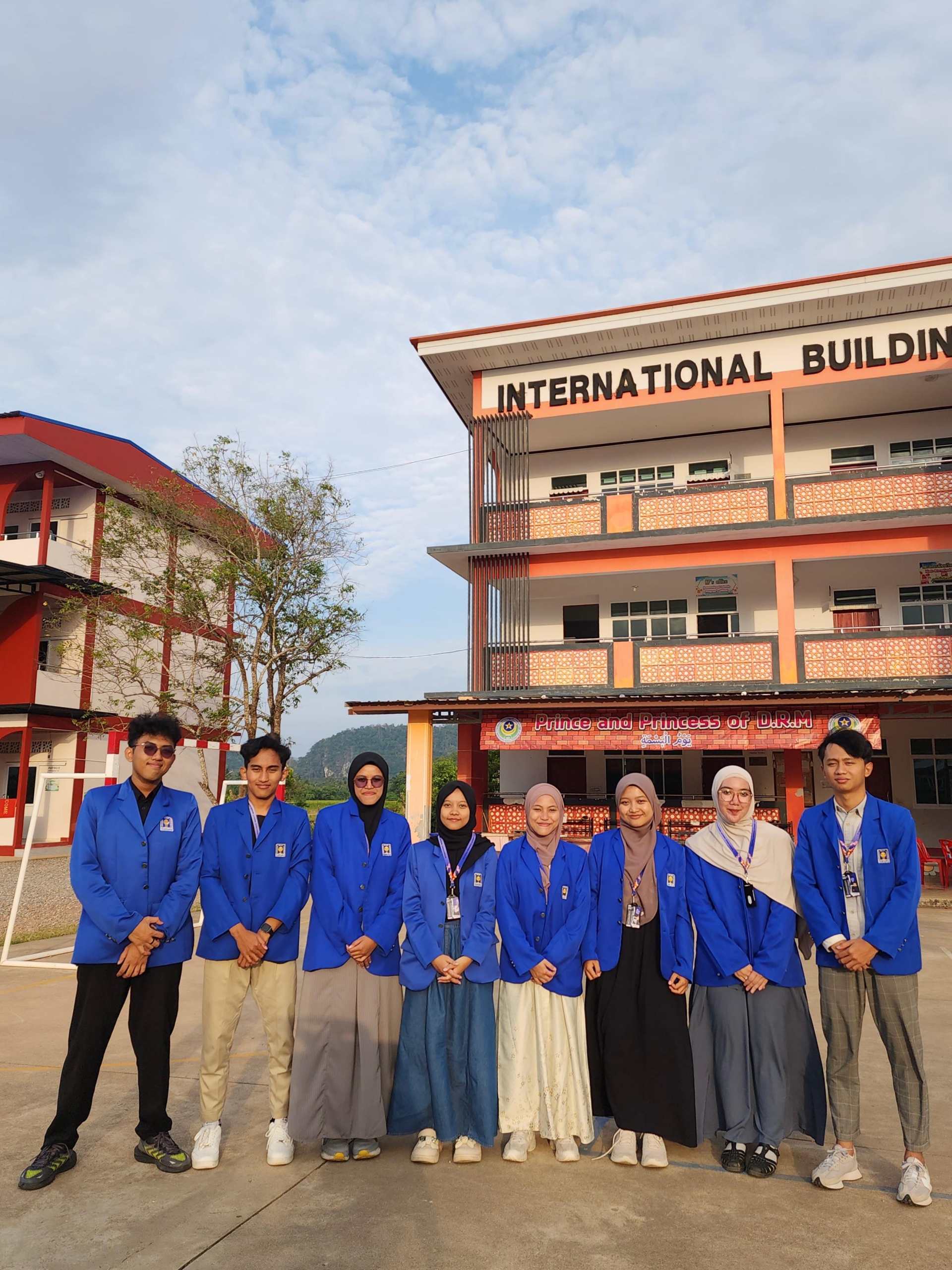
International mobility, pengabdian dalam bidang pendidikan
“Alhamdulillah saya mendapat kesempatan untuk menjadi bagian dari International Mobility. Awalnya, saya berniat mendaftar program ini memang untuk mengisi waktu liburan semester saya dan mencari pengalaman baru. Meski sempat ragu, dukungan dari keluarga dan teman-teman selalu menguatkan saya untuk mencoba kesempatan ini. Saya sangat bersyukur dan berterima kasih karena selalu mendapat dukungan dari lingkungan sekitar,” terang Putri Dama.
Pengabdian yang dilakukannya fokus terhadap bidang pendidikan. Datang bersama tujuh rekan sesama UII kegiatan belajar mengajar menjadi fokus utama, mulai dari jenjang TK, SD, SMP, dan SMA.
“Selama satu bulan disini, kegiatan utama dalam program ini adalah mengajar bahasa Inggris. Setiap orang mendapat tugas masing-masing, dan saya mendapat tugas untuk mengajar siswa SMP dan SMA,” ucapnya.
Kesempatan ini adalah pengalaman mengajar pertama bagi Putri, berbekal skill dalam bidang komunikasi ia menemukan beberapa metode untuk mengajar siswa SMP dan SMA secara efektif dan tidak mudah bosan. Salah satu metode yang diterapkan adalah dengan mengelaborasikan kebudayaan masyarakat di Thailand.
“Saya juga belajar cara mengajar dengan mengelaborasikan kebudayaan yang mereka miliki, agar murid tidak merasa bosan,” ungkapnya.
“Sangat bersyukur dan berterima kasih atas pengalaman berharga yang saya dapatkan melalui program ini. Saya merasa beruntung bisa belajar banyak hal, bertemu orang-orang hebat, dan memperluas wawasan. Melalui program ini juga mengajarkan saya pentingnya keluar dari zona nyaman dan menghadapi tantangan baru. Untuk teman-teman yang masih ragu atau merasa stuck, jangan takut untuk mencoba. Karena, keluar dari zona nyaman adalah bagian dari proses belajar dan berkembang,” tandasnya.

Definisi esai menurut KBBI adalah karangan prosa yang membahas suatu masalah secara sepintas dari sudut pandang pribadi penulis. Sesuai dengan definisinya prosa merupakan karangan bebas, namun benarkah dalam menulis esai juga bebas?
Perlu dipahami jika tujuan menulis esai umumnya ditujukan untuk aktivitas-aktivitas kegiatan ilmiah seperti melamar beasiswa studi lanjut, mobility international, hingga exchange program seperti IISMA misalnya. Esai menjadi media komunikasi antara penulis untuk mengutarakan pemikiran dan tujuan dalam melamar beasiswa yang dituju.
Salah satu penggalan buku Inilah Esai yang ditulis oleh Muhidin M. Dahlan menyebutkan seperti ini:
“Esai itu bukan puisi. Akan tetapi esai tidak diperkenankan untuk hadir tanpa rasa proteika. Esai bukan cerita pendek, bukan novel, bukan repertoar teater, namun esai diharuskan bercerita, diwajibkan mengekspresikan suasana, itupun cerita dan suasana harus merupakan kandungan yang implisit, tersirat, atau samar. Sebab kalau bukan, ia dituduh sebagai puisi atau cerita pendek atau novel atau repertoar teater”.
Dari penggalan tersebut, tentu dalam menulis esai selain sangat personal juga membutuhkan teknik khusus. Umumnya dalam susunan esai menjadi beberapa bagian mulai dari pendahuluan, isi, dan kesimpulan.
Salah satu metode yang mudah diikuti dan efektif adalah metode SMART (Specific, Measurable, Achievable, Relevant, dan Teambound). Singkatnya SMART menjadi metode yang mampu mengukur rencana dan menjelaskan kondisi
Menulis Esai dengan Metode SMART
Metode SMART banyak dibicarakan oleh kalangan scholarship hunter. Berbagai sumber menyebutkan jika metode SMART pertama kali dipopulerkan oleh George T Doran, seorang Direktur Perencanaan di perusahaan Washington Power Water dalam makalah berjudul There is a S.M.A.R.T to Management’s Goals and Objective pada tahun 1981.
Lebih lanjut, berikut penjelasan terkait metode SMART,
Specific (Spesifik) berarti bersifat khusus. Sebutkan secara jelas, spesifik, dan detail. Hindari menulis kontribusi secara general.
Terukur, program atau kontribusi yang telah disebutkan harus terukur. Bisa dijelaskan bagaimana proses menuju pencapaian.
Dapat dicapai, setelah mengukur rencana kontribusi pastikan semua realistis untuk dicapai. Dalam poin ini penulis dapat menjelaskan step by step menuju tujuannya.
Relevan, artinya rencana kontribusi sesuai dengan kebutuhan kondisi saat ini dan sesuai keahlian.
Berbatas waktu, sebaiknya ada batasan waktu yang jelas kapan tujuan itu tercapai.
Dalam penerapan metode SMART penulis dapat memulai dengan beberapa bagian yakni pendahuluan dengan menjelaskan profil diri. Lalu isi dengan metode SMART, dan terakhir penutup yang berisi penegasan komitmen terkait kontribusi yang telah direncanakan.
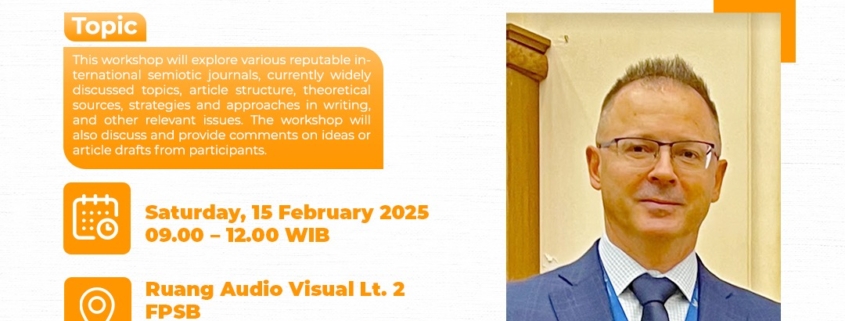
Workshop “Writing for International Semiotic Journals” bersama Profesor Kristian Bankov yang berafiliasi di New Bulgarian University akan mengeksplorasi berbagai jurnal semiotika internasional bereputasi, topik yang saat ini banyak dibahas, struktur artikel, sumber teori, strategi dan pendekatan dalam menulis, dan isu-isu relevan lainnya. Dalam lokakarya ini juga akan dibahas. Dan memberikan komentar terhadap ide atau draf artikel dari peserta
Workshop ini terbuka untuk umum dan gratis. Bagi yang tertarik dengan kajian semiotika bisa langsung mendaftar melalui link berikut.
Link Pendaftaran:
bit.ly/WorkshopWritingSemiotic
Waktu Pelaksanaan:
️ Sabtu, 15 Februari 2025
Ruang Audio Visual Lt.2 Fakultas Psikologi dan Ilmu Sosial Budaya UII
⏰ 09.00-12.00
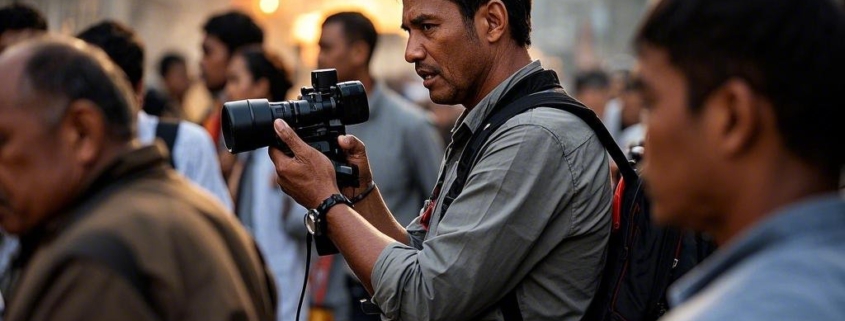
Merayakan Hari Pers Nasional (HPN) pada 9 Februari nampaknya perlu dikaji ulang. Kilas balik sejarahnya yang mengacu kelahiran Persatuan Wartawan Indonesia (PWI) dinilai tak mewakili beberapa komunitas-komunitas pers.
Ditambah konflik internal dualisme kepemimpinan di tubuh PWI Pusat. Akibatnya dalam rapat pleno 29 September 2024, Dewan Pers mengambil beberapa tindakan salah satunya tidak memperbolehkan PWI menggelar uji kompetensi wartawan (UKW).
Terlepas dari konflik tersebut, perayaan HPN tetap digelar dengan tema “Pers Mengawal Ketahanan Pangan untuk Kemandirian Bangsa” di Banjarmasin, Kalimantan Selatan pada Minggu, 9 Februari 2025.
Menanggapi hal ini, salah satu dosen Prodi Ilmu Komunikasi UII, Prof. Masduki memberikan beberapa tanggapan kritis.
Berikut hasil wawancara dengan Prof. Masduki, Profesor Bidang Ilmu Media dan Jurnalisme
“Momentum apa yang disebut hari pers 9 Februari itu, sebetulnya secara historis hari kelahiran PWI. Namun tahun ini PWI lagi pecah, [Dualisme pemimpin], jadi dua organisasi. Ada yang mau bikin acara di Bajarmasin, ada yang mau bikin acara di Sumatera. Akhirnya apa yang terjadi sekarang? Orang bingung, sebenarnya peringatan hari persnya gimana ini. Dari sisi ini saya ingin mengatakan momentum apa yang disebut 9 Februari sebagai hari pers. Tahun ini harusnya menjadi refleksi ulang bahwa hari pers nasional perlu ditinjau.
Bukan hari pers yang bisa disepakati oleh seluruh komunitas pers. Termasuk Dewan Pers. Dalam diskusi dengan teman-teman Dewan Pers dan Aliansi Jurnalis Independen, beberapa hari ini saya menyampaikan intinya hari pers nasional perlu disepakati ulang karena itu warisan orde baru. Dan kemudian dicari momen sejarah yang lebih mewakili semua.
Misalnya kelahiran dari Medan Priayi di Bandung atau mungkin pas penetapan undang-undang pers tahun 1999. Satu poin pertama bahwa momentum 9 Februari harus dijadikan sarana untuk merefleksikan, mengkaji ulang kapan sebetulnya hari pers nasional Indonesia yang mencerminkan situasi lebih kompleks pada hari ini.
Nah kemudian yang kedua seperti yang ditanyakan tentu ini momentum ya. Apapun moment historisnya bahwa pers Indonesia itu harus segera berbenah, harus segera mengakselerasi kesiapan menghadapi disrupsi digital yang sudah berjalan ya. Karena dengan demikian dia bisa menjadi institusi yang sustainable.
Ada tiga masalah besar pers Indonesia hari ini. Pertama soal yang disebut dengan independensi. Dia harus independen dari pemilik yang merupakan partai atau politisi. Dia harus bebas dari intervensi politik. Yang kedua, ini ada masalah dengan bagaimana pers Indonesia beradaptasi dengan pelakon digital. Yang ekosistem bisnisnya ini berubah total. Dan ini membutuhkan tidak hanya kesiapan skill, kompetensi, tapi juga perubahan regulasi yang diproduksi oleh Kementerian Komunikasi dan Digital, juga DPR. Nah yang ketiga yang menjadi banyak sekali perhatian adalah bagaimana keberlanjutan dari jurnalisme yang berkualitas. Yang dulu itu dikerjakan oleh media cetak. Sekarang media cetak berguguran, tapi yang muncul media digital, media siber itu isinya clickbait atau berita yang berbau hoax disinformasi. Ada ancaman namanya hilangnya jurnalisme berkualitas. Kedalaman berita investigasi, berita yang seharusnya watchdog, memantau kekuasaan.
Ini harus jadi konsen bersama. Baik itu dalam kerangka misalnya melindungi dan mendorong tumbuhnya media-media alternatif yang fokusnya pada jurnalisme, maupun mengembangkan pendanaan publik yang bisa dicollect dari negara, hibah negara, juga hibah dari platform digital, juga para charity, para filantropis, sehingga jurnalisme-jurnalisme yang bertumbuh sekarang yang dikelola oleh independent journalist di luar media mainstream itu bisa mendapat tempat.
Karena Indonesia harus merawat demokrasi yang berbasis pada well-informed society, masyarakat yang memiliki informasi memadai kesadaran yang cukup, posisinya sebagai warga negara yang harus selalu aware dan mengontrol kekuasaannya. Pers itu harus menjadi watchdog dalam situasi ini.

Jumlah kreator konten (Content Creator) di Indonesia mencapai 17 juta, 8 juta diantaranya telah berpenghasilan di atas UMR. Data ini diungkap oleh Menteri Ekonomi Kreatif, Teuku Riefky Harsya akhir tahun 2024 lalu.
Jumlah tersebut mengindikasikan profesi ini sangat diminati, apalagi pundi-pundi rupiah yang ditawarkan cukup fantastis dengan jam kerja yang fleksibel. Jadi tak heran pengguna media digital berbondong-bondong membuat konten berharap viral dan menjadi content creator.
Namun, sebelum terjun menjadi content creator salah satu prinsip yang perlu dipahami tentu tentang hak cipta. Hal ini penting karena pengabaian hak cipta dapat merugikan secara materiil maupun non materiil.
Content creator sebagai orang yang membuat konten (teks, audio, video) dalam bentuk fisik maupun digital bertujuan untuk memikat, edukasi, hingga hiburan semata.
Dengan profesi yang berkutat dengan materi penciptaan, seorang content creator akan sering bersinggungan dengan hak cipta.
Memahami Hak Cipta
Melansir dari laman Kementerian Hukum Republik Indonesia Direktorat Jenderal Kekayan Intelektual, hak cipta merupakan hak eksklusif pencipta yang melekat secara otomatis berdasarkan prinsip deklaratif atas ciptaan yang diwujudkan dalam bentuk nyata tanpa mengurangi pembatasan sesuai dengan ketentuan peraturan perundang-undangan.
Terkait hak cipta telah diatur dalam UU Nomor 19 Tahun 2002 dan UU Nomor 28 Tahun 2014 tentang Hak Cipta. Selengkapnya dapat diakses melalui laman https://peraturan.bpk.go.id/details/38690.
Realita saat ini pelanggaran hak cipta di era digital sangat kompleks. Dari riset yang dilakukan Fenny Wulandari tentang Problematika Pelanggaran Hak Cipta di Era Digital pada Journal of contemporary Law Studies menyebut kemudahan penggandaan dan pendistribusian karya digital di platform digital dilakukan tanpa kontrol yang memadai.
Kasus pelanggaran hak cipta di Indonesia yang berkaitan dengan teknologi digital didominasi oleh distribusi ilegal.
Sialnya, jika seorang content creator tak memahami pentingnya pengetahuan hak cipta kerugian bisa saja menimpa. Hukuman pidana beragam dari 5 hingga 7 tahun penjara, atau denda dari Rp 500 juta hingga Rp 5 miliar.
Bijak dalam Mencipta
Jika saat ini content creator menjadi profesi incaranmu sebaiknya perhatikan baik-baik dalam proses menciptakan karya. Terlebih soal karya-karya yang akan menjadi pendukung konten yang tengah diproduksi.
Sederhananya, content creator akan membutuhkan gambar visual, instrument, musik, hingga video. Sebenarnya banyak laman penyedia gratis yang dapat diakses. Namun hal yang sebaiknya tak dilewatkan adalah keterangan syarat dan ketentuan sebelum mengunduhnya.
Konten-konten di sosial media cenderung dinamis namun seragam, sesuai dengan tren yang tengah banyak digemari penggunanya. Hal yang paling umum adalah penggunaan karya seni, misalnya menambahkan musik terbaru saat mengunggah konten video ke Instagram. Beberapa musik dan instrument bisa jadi bebas akses, namun jika tujuan komersil hal tersebut perlu dipelajari lebih lanjut.
Sebagai contoh, anda merupakan seorang content creator yang akan menerima endorsement suatu produk. Untuk mengoptimalkan engagement anda menambahkan lagu dari salah satu seniman. Artinya anda akan mendapatkan keuntungan dari aktivitas tersebut, sementara pencipta lagu tidak mendapatkan apapun dari hal tersebut.
Tidak masalah jika lagu tersebut bisa diakses secara bebas dan disediakan oleh pencipta karena karyanya turut dipromosikan. Akan sangat merugikan jika anda memilih lagu dari seniman yang sama tapi mengambil dari sumber yang bukan aslinya, di Indonesia aktivitas cover-mengcover lagu tanpa izin yang tengah booming sudah dinormalisasi.
Namun, untuk menjadi content creator yang juga mencipta karya sebaiknya prinsip-prinsip terkait hak cipta menjadi pedoman utama. Bagaimana menurutmu Comms?

Many people may feel apprehensive about traveling alone, but the benefits of solo travel are countless, making it truly worth considering.
Have you ever felt a deep urge to leave everything behind, pack a bag, and explore somewhere completely new? If so, you’re not alone. Traveling is one of the few things that almost everyone loves—it’s exciting, refreshing, and full of new experiences. But beyond the excitement, travel, especially solo travel, shapes us in ways we rarely consider. If we look at it through the lens of communication, we gain a broader perspective on how it influences both our personal growth and social interactions.
Stepping Out of Comfort Zones: How Solo Travel Improves Communication Skills
One of the most significant aspects of personal growth that solo travelers experience is the improvement of their communication skills. Traveling alone pushes them out of their comfort zones, requiring them to ask for directions, navigate language barriers, and engage more with locals. While these actions may seem simple, they play a crucial role in shaping and enhancing their interpersonal skills. Over time, solo travelers become more confident and resilient, which prepares them for future experiences and challenges.
Building Connections: How Solo Travel Fosters Openness and Cultural Respect
One of the greatest benefits of solo traveling is the opportunity to build connections and become more open to different cultures. Traveling alone encourages travelers to engage more with others, leading to meaningful interactions that often develop into deep connections. These experiences serve as turning points, showing how strong bonds can form with people from entirely different cultures, ethnicities, and backgrounds. What may start as a simple conversation can evolve into a lasting friendship, enriching the traveler’s perspective. Through these interactions, solo travelers not only become more open-minded but also develop a deeper respect for cultural diversity, making their journey even more transformative.
Bringing the Journey Home: How Solo Travel Enhances Conversations and Relationships
Beyond personal growth and deep interactions, solo traveling allows individuals to collect meaningful experiences and valuable conversations that enrich their relationships with loved ones and their surroundings. When travelers return home, they bring back stories and new perspectives that make them more engaging storytellers, attentive listeners, and thoughtful conversationalists. These experiences not only shape their worldview but also deepen their connections with others, as they share the lessons and insights gained from their journey.
Solo travel is more than just an adventure; it is a journey of personal transformation. By stepping out of their comfort zones, solo travelers develop stronger communication skills, forge meaningful connections, and gain a deeper appreciation for cultural diversity. The experiences they collect along the way shape not only their perspective but also their interactions with others, making them more open, confident, and engaged individuals. Whether it’s through conversations with strangers or sharing stories with loved ones back home, solo travel leaves a lasting impact that extends far beyond the trip itself.
Written by: Thrya Abdulraheem Motea Al-aqab
Edited by: Meigitaria Sanita
Berdasarkan Surat Keputusan Rektor Universitas Islam Indonesia (UII) Nomor:5/SK-Rek/DLA/I/2024 tentang penyelenggaraan dan biaya ujian remedial, berikut informasi terkait jadwal remedial semester ganjil 2024-2025.
Timeline:
Demikian informasi terkait remedial semseter ganjil 2024-2025.
Will AI eventually exceed its creator’s logic and reshape humanity’s future? In recent years, artificial intelligence has become an important part of daily life, influencing everything from morning routines to complex professional tasks.
As it continues to develop, AI enhances efficiency, transforms industries, and raises ethical questions about its societal roles. To fully understand Al’s impact, it requires us to explore and examine its presence in everyday life, its influence on professional fields, and the ethical dilemmas it presents, providing a comprehensive framework to assess both its promises and challenges.
AI is becoming a silent but essential force that affects every aspect of our lives and shapes the way we engage with the outside world. AI-powered devices like smart assistants, customized alarms, and specially tailored news feeds influence our daily routines from the time we wake up. While navigation systems optimize routes to save time and money, platforms such as Netflix and Spotify use complex algorithms to suggest entertainment based on our interests. These AI-powered technologies improve convenience and are prime examples of the effectiveness and diversity that were promised by AI, but as it dominates our daily lives, we are forced to think about how technology may affect human life. An emerging concern is AI-Induced Cognitive Atrophy (AICICA), which suggests that overreliance on AI-powered systems. It could lead to cognitive decline, particularly in skills such as problem-solving and decision-making. Just as problematic internet use (PIU) has been linked to reduced cognitive engagement, AICICA raises the possibility that excessive dependence on AI may weaken critical thinking abilities.
When AI automates tasks that require analysis, judgment, and creativity, individuals may become less inclined to engage deeply with information or think independently. (From tools to threats: a reflection on the impact of artificial intelligence chatbots on cognitive health, 2024)
Although it saves us from repetitive duties, will it keep running the risk of weakening critical skills like flexibility and decision-making? It would change if we could control AI’s potential while maintaining human creativity and autonomy that drive significant changes by comprehending and controlling our reliance on it.
AI is changing various sectors by doing routine operations and analyzing data within a short time with a high level of accuracy. AI-powered solutions are already helping doctors with patient diagnosis, predicting the outcome of a treatment, and some surgeries. The same way, AI is improving investment decisions in the financial sector by identifying fraud and offering analytical recommendations. Moreover, AI platforms are changing the education system by providing individual learning paths for every student and improving the teaching process. However, just like these improvements boost creativity and productivity, they come with a set of problems.
AI is raising more concerns about unemployment since its automation is taking over roles in customer service, manufacturing, and even creative industries. Despite these concerns, AI should not be seen as a complete replacement for human workers but rather as a tool to enhance human capabilities. As experts suggest, the key lies in upskilling existing employees to integrate AI effectively into the workforce rather than replacing them entirely. According to industry leaders, AI can work alongside humans to improve efficiency and innovation, provided there is a balance between AI’s automation and human emotional intelligence, something AI alone cannot replicate. (curry, 2023)
As AI develops, there are ethical issues that need to be discussed. At the top of the list is the privacy issue since AI systems gather and analyze users’ data. It is a concern for many users who are not always aware of how their information is being used or handled, which raises questions about their consent. Furthermore, existing AI algorithms contain biases that can result in unfair treatment of individuals and can lead to discriminatory outcomes in hiring, lending, and law enforcement. This is another pressing concern: accountability. When AI systems fail, as in an autonomous vehicle or in a financial prediction, what then? Who is responsible: the developer, the user, or the AI? These concerns can only be addressed by clear ethical guidelines and regulatory frameworks. With proactive governance, we can ensure that AI development aligns with our societal values, fostering trust and fairness in its implications.
Artificial intelligence is undeniably transforming every aspect of our lives, from the way we manage daily tasks to its real-life applications in professional fields. However, its impact is not without challenges, particularly in the ethical realm. By embracing its benefits while addressing its risks, we can shape AI into a tool that enhances, rather than undermines, human progress. The future of AI depends on our ability to navigate its complexities responsibly, ensuring it serves humanity’s best interests while preserving the values that define us.
Reference:
curry, R. (2023, August 10). How A.I. can help create jobs for humans, not just automate them. Retrieved from Technology Executive Council: https://www.cnbc.com/2023/08/10/how-ai-can-help-create-jobs-for-humans-not-just-automate-them.html
From tools to threats: a reflection on the impact of artificial-intelligence chatbots on cognitive health. (2024, April 2). Retrieved from national lubrary of medicine : https://pmc.ncbi.nlm.nih.gov/articles/PMC11020077/
Written by: Thrya Abdulraheem Motea Al-aqab
Edited by: Meigitaria Sanita
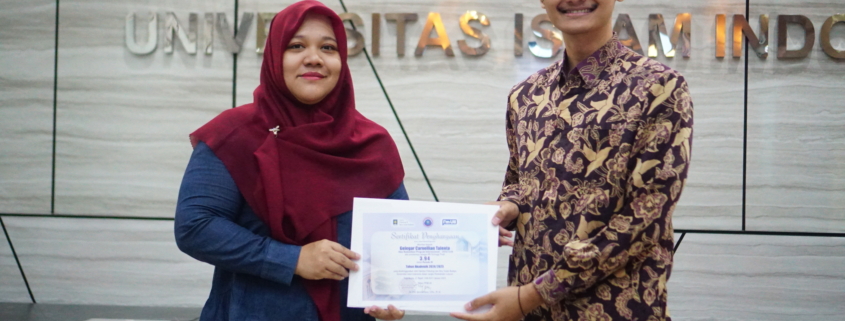
Tiga kali berturut-turut mahasiswa dari Ilmu Komunikasi UII khususnya international program (IPC) berhasil menjadi lulusan terbaik di tingkat fakultas (FPSB).
Kali ini giliran Gelegar Carnellian Talenta, S.I.Kom alumni angkatan 2020. Ia menyusul dua teman angkatannya yang lebih dulu lulus yakni Arsila Khairunnisa, S.I.Kom dan Fikri Haikal Ramadhan, S.I.Kom. Selengkapnya: https://communication.uii.ac.id/wisudawan-terbaik-hingga-predikat-summa-cumlaude-dari-prodi-ilmu-komunikasi-uii/
Pembekalan wisudawan FPSB pada 21 Januari 2024 menjadi momen terbaik bagi Gelegar. Ia dinyatakan sebagai lulusan terbaik dengan raihan IPK 3,94.
Menurutnya menjalani proses akademik di Prodi Ilmu Komunikasi UII memberikan banyak pengalaman menarik. Selain Ilmu Komunikasi yang aplikatif juga nilai-nilai Islam untuk pedoman hidup.
“Saya merasa sangat bersyukur dan bangga dapat menyelesaikan studi di jurusan Ilmu Komunikasi Universitas Islam Indonesia (UII). Perjalanan akademik di UII telah menjadi pengalaman yang luar biasa, tidak hanya dalam membekali saya dengan ilmu komunikasi yang relevan dan aplikatif, tetapi juga dalam menanamkan nilai-nilai keislaman yang menjadi pedoman dalam kehidupan,” ujarnya.
Selama kurang lebih empat tahun berbagai petualangan telah dilaluinya. Sebagai mahasiswa IPC, berbagai program internasional telah diikutinya. Salah satunya adalah program exchange di Universiti Utara Malaysia (UUM) selama satu semester menjelang akhir studinya.
“Dengan fasilitas dan beberapa program yang telah di–provide oleh prodi, saya mendapatkan pengalaman yang sangat berharga dalam memperluas wawasan saya. Saya juga mendapatkan kesempatan untuk melakukan pergantian mahasiswa internasional di Universiti Utara Malaysia,” ungkap Gelegar.
Ia berharap dari pembelajaran yang interaktif, serta suasana akademik yang inklusif di Prodi Ilmu Komunikasi UII dapat menciptakan perubahan positif di masyarakat melalui peran para alumni
“Saya ingin mengucapkan terima kasih kepada seluruh dosen, staf, dan teman-teman yang telah memberikan dukungan dan inspirasi sepanjang perjalanan ini. Semoga ilmu yang kita peroleh menjadi bekal yang bermanfaat untuk membangun masa depan yang lebih baik. Saya bangga menjadi bagian dari keluarga besar Ilmu Komunikasi UII dan siap memberikan kontribusi terbaik di bidang yang saya tekuni,” tandasnya.

Akreditasi Institusi Unggul. Universitas Islam Indonesia telah mendapatkan Akreditasi Institusi Unggul dari Badan Akreditasi Nasional Perguruan Tinggi (BAN-PT) pada tahun 2022.