Two IPC Students Win Third Place at the International Business Plan Competition Leading Scientific Fair 2025

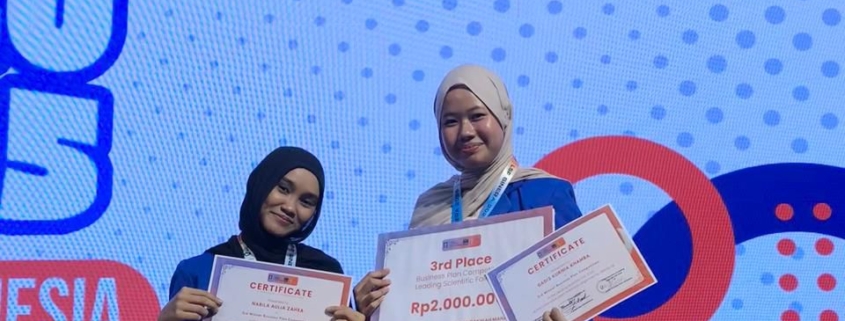
Two IPC UII students won third place in the Leading Scientific Fair 2025 International Business Plan Competition. The competition, held on 11–12 October 2025 at the K.H.A Wahid Hasyim Building, UII, Nabila Aulia Zahra and Gadis Kurnia Khamba emerged as winners.

In the competition, the IPC UII team presented BridgeSkill, a web-based mentoring platform that connects retirees as mentors with UMKM owners. According to Nabila Aulia Zahra, this idea was inspired by her mother. This year, her mother retired, but her capacity allows her to facilitate UMKM players.

“I wanted to step out of my comfort zone, and my mother, because of this BridgeSkill idea, since my mother retired this year. I hope that one day this idea can be realised and be helpful, especially for retirees who still want to be productive and UMKMs that want to grow,” she said.

Similar to her teammate, Gadis Kurnia Khamba wanted to step out of her comfort zone and challenge herself by participating in this competition.

“My main motivation for joining this competition was to challenge myself to step out of my comfort zone and learn how to turn an abstract idea into a concrete, realistic business plan,” she said.

For both IPC Batch 2023 students, this competition was their first experience. They had no relevant experience whatsoever. However, they met the right mentor. One of the UII Communication Science lecturers, Ibnu Darmawan, S.I.Kom., M.I.Kom., was willing to guide them.

“Initially, I received several potential ideas from friends for mentoring this creative business plan project from Nabila and Gadis. From these many ideas, I began to select several options that seemed realistic and had great potential, considering that the key to a business idea is its feasibility. Especially if there are similar businesses already operating, this can be used as a benchmark to facilitate the preparation of the business flow,” said the UII Communication Science lecturer.

Ibnu Drmawan explained that the advantage of this idea is not only empowering the retiree community, but also helping the UMKM community, which is often constrained by funds to access professional business training or consultants.

After working hard for about a month to draft the proposal, Nabila and Gadis completed it. Their proposal, titled “Bridgeskill: Empowering Micro Small Medium Enterprises Through Expert Retiree Mentorship and Intergenerational Collaboration”, was accepted and placed them as finalists.

A few days later, based on the assessment of the proposal’s content, they advanced to the next stage, which was the idea presentation.

“We continued the mentorship for the presentation preparation. This time, we collaborated with Mrs. Lutviah, considering her expertise in English presentations. Unfortunately, due to various constraints, we could only conduct one rehearsal with very limited time,” added Ibnu Darmawan.

From this international competition experience, the participants gained many insights. In addition to establishing external relationships, they also understood how a business works.

“Of course, the relationships and advice from the judges to improve ourselves for future competitions,” said Nabila Aulia Zahra.

“This experience taught me a lot, even about aspects I had never considered before, like market research and revenue strategy. I gained a better understanding of how to build a business idea from scratch, collect supporting data, and prepare a presentation under tight deadlines. Since it was just me and one teammate, we really had to complement each other, split tasks wisely, and stay in sync even when things got hectic. It was definitely challenging, but it made me more confident and motivated to keep developing new ideas in the business field,” said Gadis Kurnia Khamba.
Webinar IAMCR

Webinar Integritas Akademik Seri 1

Guru Besar, Integritas Akademik vs Reputasi Perguruan Tinggi di Indonesia

(Belajar dari Kasus Pemberhentian 17 Guru Besar Universitas Lambung Mangkurat, Banjarmasin)

Waktu: Jumat, 17 Oktober 2025

Pukul: 19.00 WIB

Link GMeet: http://meet.google.com/vgz-zksn-czm

Pembicara:

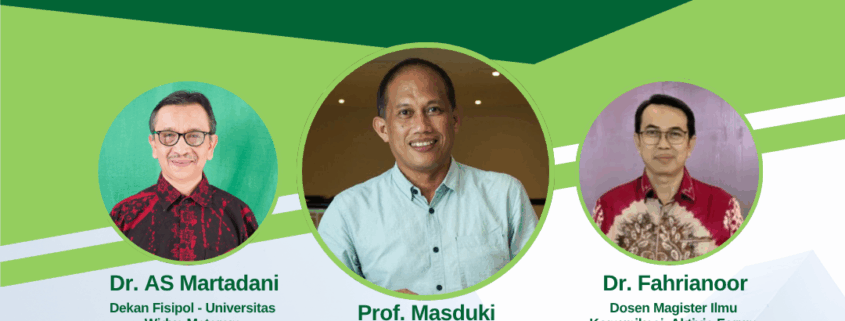
  • Prof. Masduki – Guru Besar UII, Aktivis Kaukus Indonesia untuk Kebebasan Akademik
  • Dr. AS Martadani – Dekan Fisipol, Universitas Widya Mataram
  • Dr. Fahrinoor – Dosen Magister Ilmu Komunikasi, Aktivis Forum Peduli ULM Banjarmasin

Moderator: Meigitaria Sanita – IAMCR Indonesia

Webinar ini diselenggarakan oleh IAMCR Indonesia

Informasi selengkapnya: 089626804163

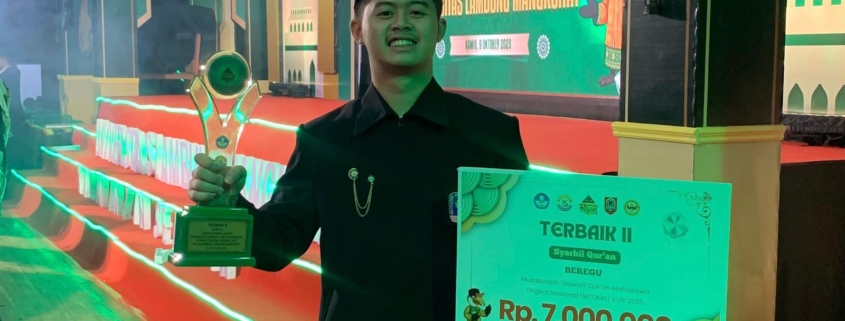
‘Rajbani Gibran’ Mahasiswa Ilmu Komunikasi Raih Juara 2 Lomba MTQ Tingkat Nasional

Mahassiwa Ilmu Komunikasi, D. Rajbani Gibran Ahmad berhasil memenangkan kompetisi MTQ tingkat nasional yang diselenggarakan oleh Universitas Lambung Mangkurat pada 6-9 Oktober 2025.

Mahasiswa angkatan 2024 tersebut berhasil meraih juara dua pada kategori Musabaqah Syahril Qur’an. Kompetisi beregu ini merupakan bidang musabaqah yang mengungkapkan isi kandungan Al-Qur’an dengan cara menampilkan bacaan, puitisasi, terjemahan, dan uraian yang menunjukkan kesatuan yang serasi.

Kompetisi ini merupakan debut tingkat nasional perdana bagi Rajbani, ia bercerita bahwa bidang Syahril Qur’an telah ditekuninya sejak masih mondok di tahun 2019. Meski demikian jalannya tidak mulus, beberapa kali ia harus menelan pil pahit lantaran kegagalannya yang berulang.

 “Ini pengalaman pertama aku bisa menjadi peserta lomba MTQ tingkat nasional,” ujarnya.

Sebelumnya di tahun 2022 ia sempat menjadi calon peserta MTQ Nasional untuk mewakili Kafilah Jawa Barat, sayangnya tujuh hari menjelang keberangkatannya justru ia diganti oleh peserta lain.

Kejadian serupa ternyata berulang di tahun 2024, ia dipanggil sebagai calon peserta untuk Jawa Barat. Namun mimpinya pupus karena tergantikan calon lain.

“Its okey tidak apa-apa mungkin belumb rezekinya, dan di tahun 2024 saya kembali lagi kepanggil TC calon peserta nasional kafilah Jawa Barat lagi, alhasil kasus nya masih sama seperti di tahun 2022. Setelah itu saya bermimpi ketika nanti saya sudah jadi mahasiswa saya harus mengikuti MTQMN dan harus sampai naik panggung,” ungkapnya penuh keyakinan.

Akhirnya cita-citanya terwujud saat memasuki semester tiga perkuliahannya di UII. Rajbani mengikuti seleksi internal di UII, selanjutnya seleksi online pra-nasional dengan mengirim video online. Ia dan tim bersaing dengan ratusan tim dari seluruh Indonesia.

“Alhamdulillah lolos 48 besar dan siap berangkat ke Nasional lomba secara offline di Universitas Lambung Mangkurat, Saya tampil penyisihan di hari pertama dan alhamdulillah Masuk babak Final 6 besar dan Finish di Posisi 2,” ungkapnya.

Ia bersyukur mendapatkan dukungan dari pihak kampus untuk mewujudkan cita-citanya. “Terimakasih UII karena sudah mendukung mahasiswa untuk berkembang,” tandasnya.

Raihan prestasi dari D. Rajbani Gibran Ahmad turut mengharumkan nama UII, khususnya Jurusan Ilmu Komunikasi di mata publik.

Ask the Expert: Keamanan Digital Perempuan dalam Bermedia Sosial

Perempuan menjadi sosok rentan di media sosial, diakui atau tidak perempuan lebih sering mendapat risiko kekerasan online. Data dari United Nation – Regional Centre for Western Europe, menyebut 16 hingga 58 persen perempuan dan anak perempuan menjadi sasaran kekerasan online.

Kekerasan online bisa muncul karena berbagai tindakan di masa lalu. Tahun 2010an pelecehan berbasis gambar atau revenge porn menuai banyak perhatian. Penyebaran gambar intim tanpa concern kerap digunakan untuk balas dendam hingga senjata mengontrol perempuan. Tahun 2017, data menunjukkan 1 dari 10 perempuan menjadi korban kekerasan online sejak usia 15 tahun. Kondisi ini semakin parah pada pandemi Covid-19, semua aktivitas bergantung pada ruang digital.

Selain fakta tersebut, kecemasan juga datang dalam bentuk penguntitan. Informasi keberadaan seseorang dapat dengan mudah diketahui publik. Sementara, percepatan teknologi dalam sisi negatif memperburuk kondisi. Perkembangan AI menambah kompleksitas masalah ini. dengan mudah aplikasi berbasis AI menghasilkan pornografi deepfake, dan sulit untuk dibuktikan oleh korban.

Ditambah algoritma di media sosial kini menyukai interkasi yang melonjak tinggi, sehingga konten tersebar dengan cepat dan tak terbatas. Lantas bagaimana seharusnya perempuan aman di ruang digital?

Dosen Ilmu Komunikasi UII, Ratna Permata Sari, S.I.Kom., M.A. membagikan berbagai upaya agar perempuan lebih bijak di ruang digital khususnya dalam menggunakan sosial media.

  • Bagaimana cara perempuan bisa lebih kritis dalam mengelola jejak digitalnya agar tidak disalahgunakan pihak lain?

Saya menjawab terkait dengan pengguna media sosial secara luas. Bisa dimulai dengan memperhatikan apa yang diposting. Mungkin kita bisa mengatakan saring sebelum sharing. Dengan mulai tidak membagikan informasi pribadi ke media sosial seperti foto KTP, foto KK, atau hal-hal tentang dokumen-dokumen yang rahasia. Mungkin kalau perempuan, ada yang perlu lebih diperhatikan mengenai foto atau video yang terkait dengan dia dan tubuh dia secara umum. Dari situlah kemudian paling tidak mengetahui bahwa apa yang diposting sudah mengandung sebuah makna bahwa akan ada sesuatu yang jangan sampai di sesali di kemudian hari.

  • Apa bentuk risiko atau ancaman digital yang paling sering dihadapi perempuan ketika menggunakan media sosial?

Ancaman atau risiko di media sosial biasanya terkait dengan hal-hal yang sifatnya lokasi. Jadi location atau shared location itu sebenarnya mengandung risiko. Terutama buat perempuan ada beberapa kasus yang kadang-kadang terkait dengan penguntitan, di-stalking atau kemudian dalam beberapa kasus terjadi proses anarkis dan lain sebagainya karena memang kita meletakkan atau memberitahu lokasi kita di postingan terkini atau live. Sehingga kemudian sarannya kalau kemudian posting di media sosial baiknya dilakukan secara tertunda atau tidak live. Sehingga mereka tahu kita di mana tapi itu mungkin sudah beberapa jam atau sudah beberapa hari kita sejak di tempat tersebut.

  • Apa pesan utama yang sebaiknya ditanamkan pada perempuan agar mereka lebih sadar keamanan data di media sosial?

Terkait dengan keamanan data, pertama pengguna media sosial kita secara umum harus tahu bahwa kita harus terus mengupdate cyber security atau keamanan di media sosial. Salah satunya adalah dengan kita terus melakukan update pasword kita di media sosial dan juga melakukan atau tidak memberitahu atau tidak meletakkan password kita di tempat-tempat yang mudah diakses oleh banyak orang. Dan terkait dengan isu yang pertama yang saring sebelum sharing adalah, terutama buat perempuan jika kita dalam sebuah hubungan yang dekat dengan seseorang, untuk mulai memperhatikan atau lebih concern terhadap konten atau postingan yang akan kita bagikan di media sosial dan terkait hal-hal yang sifatnya intim seperti itu, bisa foto, bisa video, atau apapun yang postingan karena bagaimanapun kita harus tahu bahwa jejak digital itu sifatnya permanen seperti itu.

Itulah bebrapa upaya meningkatkan keamanan perempuan di ruang digital, lantas bagaimana pendapatmu Comms?

Fast Fashion

There is nothing better than the feeling of owning a new outfit every week, but that excitement definitely comes with its own cost. The fast fashion industry produces clothes in massive quantities to meet ever-growing demand. Yet, at the point where its power expands, the harms begin to overlap with its benefits. This is where the bittersweet reality of fast fashion becomes clear. So, let’s dive deeper into both the bitter and sweet sides of this industry.

One of the most overlooked aspects of fast fashion is its severe environmental cost. From production to consumption, every stage of the process leaves a damaging footprint on the planet. The textile industry is the second-largest consumer of water in the world, using around 93 billion cubic meters annually—enough to meet the needs of five million people. The dyeing and treatment of fabrics account for 20% of global wastewater, often releasing toxic chemicals into rivers in countries with weak regulations. Cotton farming alone requires huge amounts of water and pesticides, which devastate local ecosystems. In terms of energy, the industry is responsible for about 10% of global carbon emissions, more than international flights and maritime shipping combined. 

On the consumer side, the culture of disposability makes the problem worse, with an estimated 85% of textiles ending up in landfills each year, where synthetic fibers release microplastics that pollute oceans and enter the food chain. The reality is that the affordability of fast fashion comes at a hidden cost, where one pays through polluted water, rising emissions, and long-term environmental damage.

Media and Online Influence on The Industry 

Another powerful driver of fast fashion’s growth is the influence of media and digital platforms. The fashion industry and media work hand in hand. While the industry provides a constant flow of new products, the media accelerates their visibility and demand. Social media, advertising, and influencers play a crucial role in setting trends that spread globally within hours, pushing consumers to buy not because of genuine need but because of the pressure to stay “in style.” This constant cycle shortens the lifespan of clothing, as what is fashionable today can quickly become outdated tomorrow. 

The Possibility of Change

Despite these challenges, the future of fashion does not have to remain bitter. Young consumers, especially Gen Z, are showing a growing interest in sustainable choices. Many are turning to thrifting, clothing options, and upcycling as alternatives to constantly buying new clothes. Others are more willing to support brands that are transparent about their production and use eco-friendly materials. 

Social media, while often fueling overconsumption, can also spread awareness and promote responsible trends when used positively. If more young people choose to value quality over quantity, and reuse rather than discard, they can shift demand and influence brands to adopt more sustainable practices. This shows that the sweet side of fast fashion lies in the possibility of change, led by conscious consumers.

Fast fashion is truly a bittersweet industry. While it offers affordability and easy access to trends, it also leaves behind deep environmental and social damage. Media and online platforms have fueled its rapid growth, but young people today have the power to slow it down and reshape it. The future of fashion depends on whether we choose short-term excitement or long-term sustainability.

References

Bick, R., Halsey, E., & Ekenga, C. C. (2018). The Global Environmental Injustice of Fast Fashion. Environmental Health, 17(1), 1–4. BMC. https://doi.org/10.1186/s12940-018-0433-7

Kontributor proyek Wikimedia. (2025, September 26). Fesyen cepat. Retrieved October 6, 2025, from Wikipedia.org website: https://id.wikipedia.org/wiki/Fesyen_cepat

Niinimäki, K. (2020, April). The environmental price of fast fashion. Retrieved from ResearchGate website: https://www.researchgate.net/publication/340635670_The_environmental_price_of_fast_fashion

Ren, X. (2023, February 7). Analysis on the Development of Fast Fashion- Based on the Influence of New Media. Retrieved from ResearchGate website: https://www.researchgate.net/publication/368369588_Analysis_on_the_Development_of_Fast_Fashion-_Based_on_the_Influence_of_New_Media


Written by: Thrya Abdulraheem Motea Al-aqab

Edited by: Meigitaria Sanita

Dampingi UMKM Kota Jogja, Dosen Ilmu Komunikasi UII Ungkap ‘Pengabdian Tepat Guna’

Tercatat empat tahun terakhir salah satu dosen Jurusan Ilmu Komunikasi UII, Ida Nuraini Dewi Kodrat Ningsih, S.I.Kom., M.A. aktif mendampingi pelaku UMKM di Kota Yogyakarta. Hal ini berkaitan dengan tugasnya dalam melakukan pengabdian masyarakat.

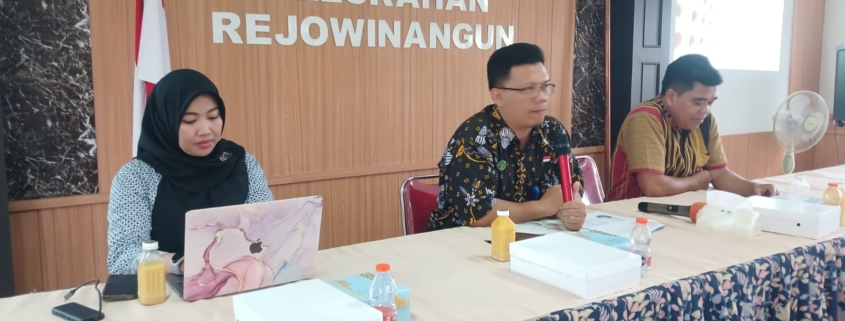
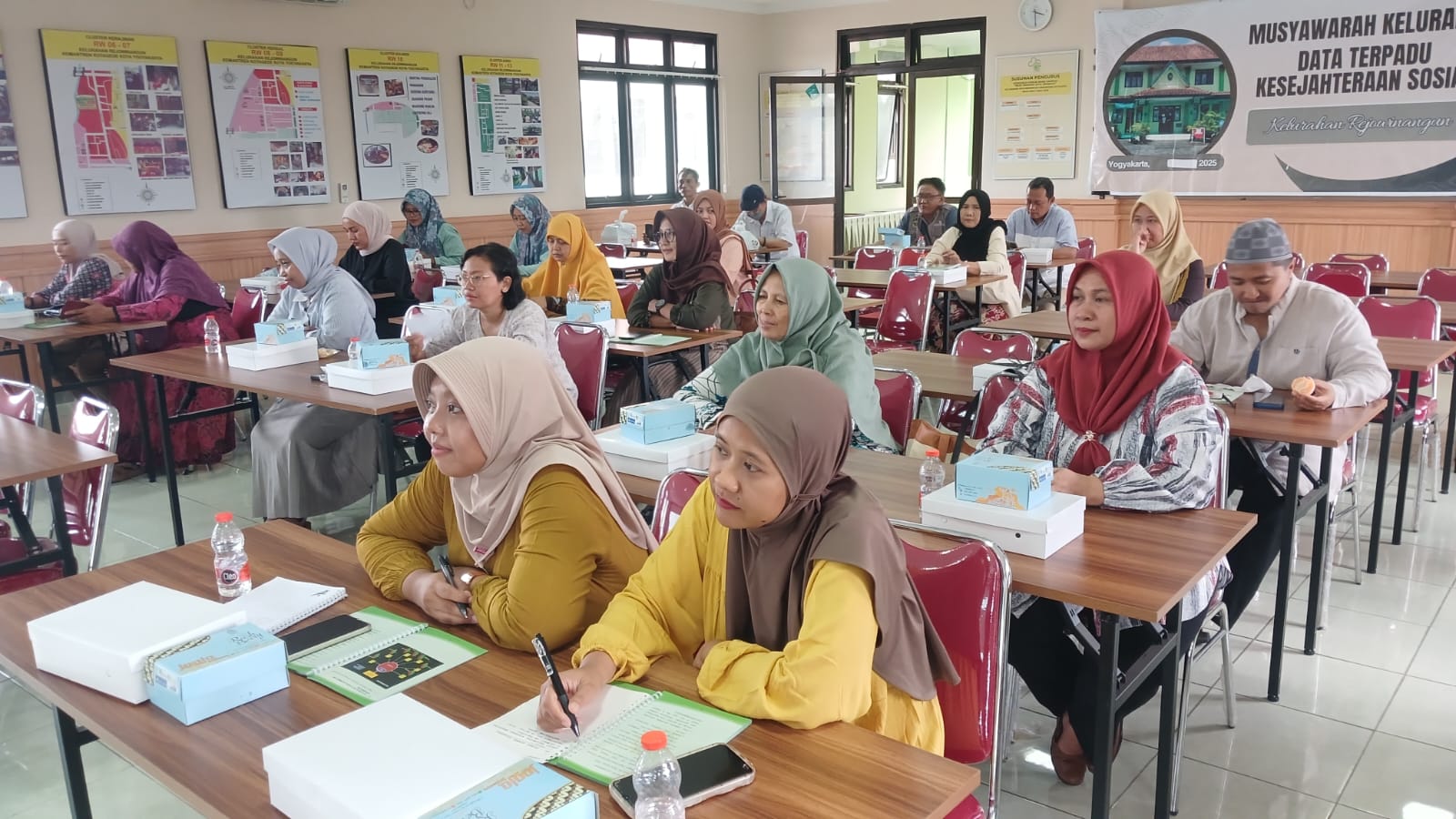
Pengabdian yang dilakukan pada Kamis, 25 September 2025 diikuti setidaknya 25 pelaku UMKM di wilayah Kelurahan Rejowinangun yang berlokasi di Kotagede Yogyakarta. Fokus pada branding produk, workshop dalam pengabdian ini adalah pembuatan desain packaging dengan aplikasi Canva.

Pemberdayaan ini dipilih karena melihat kebutuhan pelaku usaha yang dituntut untuk adaptif dengan transformasi digital yang mengedepankan estetika visual.

Bagi Ida Nuraini Dewi Kodrat Ningsih, S.I.Kom., M.A. melakukan pengabdian selain memberikan manfaat bagi masyarakat juga penting menyesuaikan kebutuhan dan tepat guna.

“Partisipasinya sangat aktif, diskusinya seru. Saat diarahkan, bapak ibu pelaku UMKM juga langsung mencobanya. Jadi pelatihan ini tepat guna,” ujarnya.

Dampingi UMKM Kota Jogja, Dosen Ilmu Komunikasi UII Ungkap ‘Pengabdian Tepat Guna’

Dampingi UMKM Kota Jogja, Dosen Ilmu Komunikasi UII Ungkap ‘Pengabdian Tepat Guna’

Tak hanya itu, setelah praktik desain packaging para partisipan menunjukkan ketertarikannya dengan melakukan konsul lebih lanjut. Kegiatan ini nantinya akan dilanjutkan pada sesi berikutnya dengan kesepakatan bersama.

“Waktu satu jam terasa tidak sia-sia karena peserta sangat aktif dan selalu berpartisipasi. Mereka juga konsultasi lebih lanjut, artinya konsep pemberdayaan ini sesuai,” tambahnya.

Bagi pelaku UMKM, design packaging akan berdampak pada peningkatan penjualan serta membangun identitas merek. Hal ini juga menentukan Keputusan pembelian bagi konsumen ketika melihat suatu desain produk yang unik dan berbeda.

Harapannya setelah pemberdayaan ini, para pelaku UMKM di Kelurahan Rejowinangun mampu menciptakan desain produk secara mandiri sehingga menekan biaya produksi. Selain itu mampu menerapkan kreativitas sehingga tercipta desain packaging yang menarik, fungsional, dan sesuai karakter. Hingga mampu menghadapi persaingan pasar.

Selain tugas wajib dosen, pengabdian ini merupakan bentuk nyata kerja sama antara Jurusan Ilmu Komunikasi UII dengan Pemerintah kota Yogyakarta. Sebelumnya, pemberdayaan serupa juga dilakukan di Kelurahana Suryatmajan bulan Juni lalu. Dengan kolaborasi dengan Dinas Komunikasi Informatika dan Persandian Kota Yogyakarta, pemberdayaan diberikan kepada Kelompok Informasi Masyarakat Yogyakarta (KIM YK).

‘Movie Talk’ KalFest Hub Seri #7 Mencari Makna Heritage dari KHFF

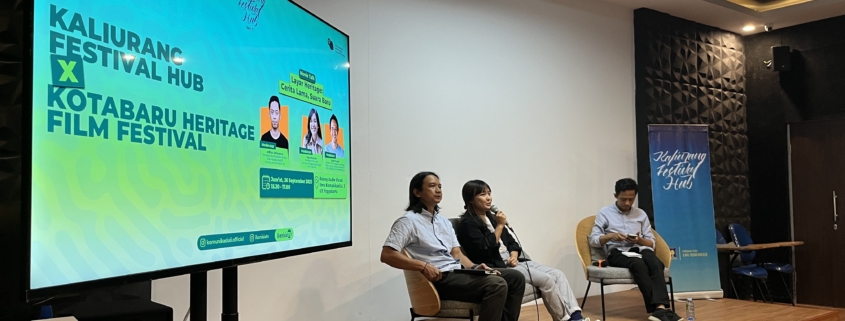
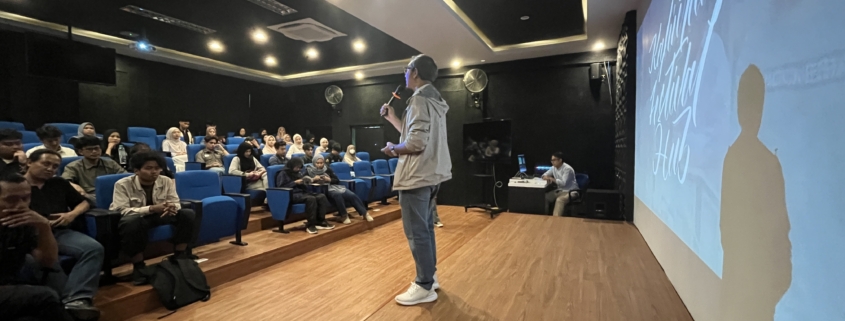
Kaliurang Festival Hub (KalFest Hub) seri ke-7 berkolaborasi dengan Kotabaru Heritage Film Festival (KHFF) mengambil tema Layar Heritage: Cerita Lama, Suara Baru. Digelar pada 25-26 September 2025 di Gedung RAV Lt 3 Ilmu Komunikasi UII, screening berlangsung dua hari berturut-turut dan ditutup dengan Movie Talk yang mengungkap makna heritage lewat film dan budaya lokal.

Menilik Cambridge Dictionary, heritage memiliki makna fitur yang melekat pada budaya suatu masyarakat tertentu, termasuk tradisi, bahasa, dan bangunan yang dibuat pada masa lalu serta memiliki arti penting secara sejarah.

Dipandu oleh Aditya Adinegoro, pengajar Media Kreatif di Ilmu Komunikasi UII sesi Movie Talk menghadirkan dua pembicara, yakni Siska Raharja selaku Direktur KHFF dan Suluh Pamuji, Kurator Film KHFF.

Diskusi dibuka dengan pernyataan “Heritage bisa sangat terbuka, bisa dibicarakan” oleh moderator, dimana kalimat itu condong pada adanya narasi berbeda yang membentuk posisi heritage dalam konteks festival. Menanggapi pernyataan itu, Siska Raharja menuturkan makna heritage yang berkembang sebagai wacana komunitas film hingga Dinas Kebudayaan.

“Cara menarasikan heritage tidak lagi sekedar dari tutur dan kampanye, tetapi heritage menjadi sebuah media yang merangkum banyak hal termasuk memori personal,” ujar perempuan yang berjibaku di KHFF selama tiga tahun terakhir.

Kotabaru sebenarnya adalah kelurahan yang terletak di Kota Yogyakarta, catatan administratif menyebutnya masuk Kemantren Gondokusuman. Berbagai sumber mengimani bahwa Kotabaru memiliki konteks sejarah budaya kolonial yang melekat, hal ini dapat dibuktikan dengan bangunan-bangunan pendidikan, fasilitas kesehatan, dan lainnya.

Siska Raharja menambahkan jika identitas heritage pada Kotabaru telah menjadi agenda khusus, bahwa warisan budaya benda dan warisan budaya tak benda. Ini adalah tantangan baginya mengungkap makna heritage pada klasifikasi film di KHFF.

“Banyak yang tidak merasa heritage itu, kita sering membuat simplifikasi, heritage itu berat,” tambahnya.

Tak jarang ia menemukan pengemasan heritage yang kurang tepat, banyak penyelahgunaan genre horor atas nama warisan budaya.

Sementara, Suluh Pamuji menyoroti supply film heritage yang tidak sederhana, “Ketika membicarakan heritage lewat film, pertaruhannya adalah bagaimana festival ini terus mendapat materi film yang relevan dengan visi,” ujarnya.

Tak bisa serampangan, kualitas film menjadi pertaruhan. Bagaimana film harus memuat heritage secara autentik dan kritis. Bahkan KHFF sempat menggunakan pedoman UNESCO dalam mengkurasi film-film yang masuk, namun akhirnya ia juga harus bernegosiasi lewat konteks lokal. “Heritage itu tidak bisa ditempatkan secara kaku. Kami butuh film yang cakap dan memuat heritage,” tambahnya lagi.

Rumitnya memaknai dan mangkategorikan film heritage, maka perlu dukungan dari Dinas Kebudayaan. Peran dana publik dalam pelestarian heritage seolah jadi angin segar. “Sebagai masyarakat, kita butuh tahu bagaimana pemerintah daerah memandang heritage sekaligus bagaimana mereka punya selera terhadap kreator lokal yang mereka percaya,” tandas Suluh.

Memproduksi film heritage dibutuhkan wawasan terhadap nilai-nilai serta kapasitas praktis yang mumpuni. Dari peran Dinas Kebudayaan di berbagai wilayah, berimbas dalam memberikan banyak variasi film heritage yang terkurasi di KHFF.

Movie Talk dalam Kalfest Hub kali ini menegaskan bahwa heritage tak sekedar masa lalu, namun bagaimana cerita lama yang dihidupkan kembali dengan suara baru yang kritis dan reflektif melalui medium film.

ACSS 2025: Workshop Series for IPC Students Batch 2025

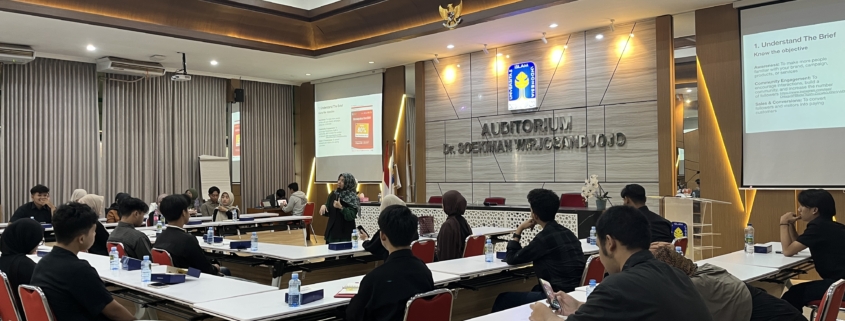
ACSS, which stands for Academic and Skills Study, is a welcoming program designed for new IPC students. It is an annual program aimed at preparing them to adapt to the new academic journey from high school to higher education. This year’s Academic Skills Study (ACSS) programme, themed Promoting Global Solidarity through Media and Communication, is an effort to address pressing global issues through communication science.

It was held on September 26, 2025, at the Soekiman Wirosandjojo Auditorium Building, 3rd Floor, UII. This programme had been deliberately prepared in response to global challenges such as natural disasters, climate change, social injustice, armed conflicts, and wars in various countries.

To support this objective, various workshops were held, with the hope that IPC batch 2025 students who participated would be able to understand the role of media and communication in various contexts. Among other things, how media and communication shape narratives and build intercultural understanding to the point of being able to drive positive action through information on various media platforms.

The following are various workshops full of insights for IPC batch 2025 students:

Workshop on Promoting Global Solidarity through Creative Writing

By Nadia Wasta Utami, S.I.Kom, M.A

Active as a lecturer and marketing director at UII, the speaker delivered material focusing on how people use social media to fulfil their needs for news, entertainment, connection, and personal validation. To take on this role, students were encouraged to focus on the understanding that social media is a space for daily activities and to actively produce content.

One of the purposes of producing content is to conduct social campaigns. In relation to the ACSS 2025 topic, the speaker mentioned that social media is a space to create movements. The goal is to learn how to create powerful content to achieve a specific objective, such as spreading a social campaign. There are four stages in the process of creating a powerful social media campaign, including understanding the brief, gaining the idea, creating a creative brief, and the idea development process.

‘When a story is relevant, people will listen; when an issue is relevant, people will act; when content is relevant, people engage. Like, comment, share, save,’ she said.

In this workshop, students were divided into three groups to produce social media campaign posters. They had to discuss current political issues that were viral and urgent to resolve. They had to clearly define their objective, goal, or target for the campaign.

Workshop Introduction to Academic Writing

By Iwan Awaludding Yusuf, Ph.D.

The workshop began with a reflective question to the students, ‘Why is academic writing important?’ The speaker explained that written words are considered the best way to convey ideas.

He also mentioned that ‘humans are natural researchers,’ meaning that humans naturally have a tendency or inclination to conduct research, make observations, and seek knowledge and new things. Humans always try to understand the reality around them to find answers in order to survive and adapt.

‘You can put your interest in academic writing. Write something you really enjoy. Write something that’s been bothering you or on your mind lately,’ he added.

Academic writing is a systematically structured piece of writing that follows a logical flow accepted by the scholarly community, is open to scrutiny, and is subject to testing for its validity.

After presenting the material, students were invited to discuss the use of AI. ‘Can we use AI for writing academic papers?’ Some students argued that using AI would lead to the possibility of plagiarism, while others believed it could be used to enhance the quality of the writing itself. After further discussion, the session ended with an individual writing activity that was instructed for them to review their overall understanding of the workshop material.

Alumni Sharing

By Arsila Khairunnisa, S.I.Kom.

Arsila is an IPC alumnus from the 2020 batch who became the best graduate of 2024 with a GPA of 4.0. She shared her story through a PowerPoint presentation titled ‘If I Could Start Again,’ recounting her struggles until graduation.

Despite being considered successful, she mentioned various decisions she regretted. She shared these regrets during the Alumni Sharing session. She said that before starting class, we must prepare ourselves in advance by reviewing tomorrow’s material for certain subjects. Never be absent from class activities so that we have a maximum understanding of the material. Involvement and effort are also necessary to continue to develop by starting several projects as a portfolio because we will use it to build our future careers.

‘You are always stronger than you think and more capable than you believe,’ said Arsila, offering motivation.

Arsila also provided several tips and tricks to maximise results and achieve perfect scores in studies. She also gave a brief explanation about passion and how to explore our true passion by taking advantage of opportunities and practising consistently, because passion is related to effort, not happiness.

Workshop From High School to Higher Education: Developing Resilience in a Changing World

By Wanadya Ayu Krishna Dewi, S.PSI, M.A.

This workshop was a session where students met with lecturers who are also psychologists from UII. The transition period from secondary school to university certainly requires adaptation skills. Some of the differences point to five things, namely academic expectations, time differences, high independence and responsibility, perspectives on presence and individual awareness, and being far from home and family.

‘No pain, no gain,’ she said.

‘No matter what challenges you have faced, in the future, have tawakkul in Allah, and trust your life in God’s hands, and no matter what path He has led you on, it will always be a good opportunity.’ She added.

Difficulties are faced with resilience, but that does not mean students should avoid stress; rather, it is about how we adapt. Resilience is important during transition because it protects mental health and well-being.

In this workshop, students were invited to do various activities, such as drawing the natural scenery they wanted. This is related to the growth of mindsets, namely fixed mindset and growth mindset. How students are invited to understand the process rather than the results.

Next, the students were divided into several groups with four people in each group. They discussed fixed mindsets and growth mindsets. ‘We don’t know any other way that can lead us to success.’ ‘I can still grow from my goals and must always be grateful for what has been given.’ ‘Be open to future opportunities.’ Another activity was resilience mapping, where each member shared one major challenge they had faced.

ACSS

The Academic Skills Study (ACSS) 2025 took the theme of Promoting Global Solidarity through Media and Communication. This agenda was held on September 26, 2025, at the Soekiman Wirosandjojo Auditorium Building, 3rd Floor, UII. This programme was a form of welcome for Students of IPC batch 2025.

Given the current unfavourable global conditions, this theme was chosen due to the ongoing global challenges, including natural disasters, climate change, social injustice, armed conflicts, and wars. These challenges have triggered inequality and division, necessitating global solidarity.

As Communication Science students, IPC students are invited to understand the role of media and communication in several contexts. These contexts include how media and communication shape narratives and build intercultural understanding. Second, promoting unity, inclusion, and empathy. Third, informing, inspiring, and driving positive action at the national and international levels.

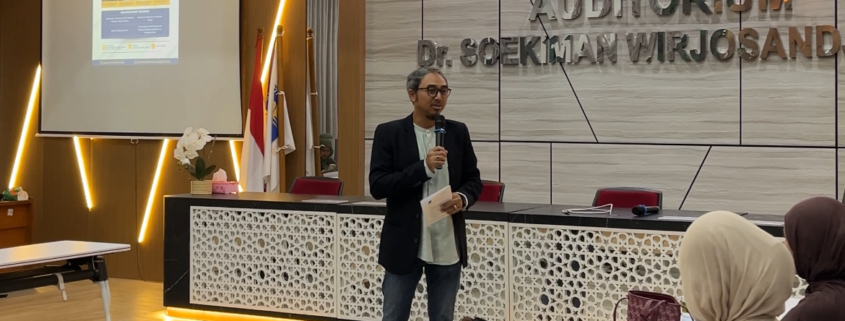
The Head of the Communication Science Study Programme at UII, Dr. Zaki Habibi, M.Comms., had the opportunity to welcome new IPC UII students. He advised that this agenda was created to prepare students for their four-year study journey ahead.

“Pop up to your academic transcript, it is quite important for you to get ready with the skills and requirements needed for your future,” he said.

From the speech given by Dr. Zaki Habibi, several messages of hope for students of IPC batch 2025 included having a strong sense of togetherness and a clear direction in campus life, having a positive commitment to the world, and being able to use communication as a force for good in a global context.

To support all of this, the ACSS 2025 programme was carefully designed. Several workshops were conducted with the active involvement of students. These workshops included Promoting Global Solidarity through Creative Writing with facilitator Nadia Wasta Utami, S.I.Kom., M.A., who has experience in various campaigns, especially for all of UII’s official social media accounts.

Next was the Introduction to Academic Writing workshop by Iwan Awaluddin Yusuf, Ph.D. In this session, students were invited to understand something interesting and potentially worthy of academic writing. This was followed by a sharing session with IPC batch 2020 alumna Arsila Khairunnisa, S.I.Kom. She is the top graduate of 2024 with a GPA of 4.00, and she shared her experience in public speaking to inspire others. Finally, there was a motivational and mental preparation session entitled From High School to Higher Education: Developing Resilience in a Changing World by Wanadya Ayu Krishna Dewi, S.Psi., M.A., a lecturer and psychologist from the Faculty of Psychology at UII.

Kaliurang Festival Hub Seri #7: Pemutaran Film-Film Terkurasi dari Kotabaru Heritage Festival

Memasuki tahun ketiganya, Kaliurang Festival Hub (KalFest Hub) seri ke-7 berkolaborasi dengan Kotabaru Heritage Festival. Agenda ini dilakukan pada 25 hingga 26 September 2025 di Gedung RAV Ilmu Komunikasi UII. Mengambil tema Layar Heritage: Cerita Lama, Suara Baru, Selain screening film-film heritage, festival ini membicarakan warisan budaya dari cara bertutur hingga sistematikanya yang akan digali lebih dalam pada Movie Talk di hari kedua.

Direktur Kaliurang Festival Hub, Marjito Iskandar Tri Gunawan, M.I.Kom menjelaskan momen ini menjadi hub bagi penikmat film agar saling terhubung dan bertukar wawasan. Seri ke-7 menyoroti perpektif dan pengelolaan heritage di Indonesia.

“Tujuan kita untuk semacam hub bagi penonton yang bergabung kita hubungkan dengan festival-festival di Indonesia maupun internasional agar saling terhubung terkoneksi,” ujarnya membuka screening di hari pertama.

Festival menayangkan delapan film dengan berbagai genre untuk memberikan perspektif yang lebih kaya dan inspirasi bagi para penonton, khususnya para pembuat film muda yang ingin belajar dan berkarya.

Sementara, Dr. Zaki Habibi, M.Comms sebagai programmer dalam festival ini menyebut pembentukan Kalfest Hub berawal dari perjalanannya bersama tim yang aktif dari berbagai festival hingga pengalaman pengkajian film selama beberapa tahun. Dalam jangka panjang harapannya Kalfest Hub mampu menjadi pusat data dan ruang yang ideal untuk melakukan kolaborasi riset dan festival film yang dapat diakses di Nadim Ilmu Komunikasi UII.

Pemilihan film yang akan ditampilkan melalui proses kurasi yang ketat, tak hanya memperhatikan kualitas namun juga kesesuaian tema dan tujuan edukasi Kalfest Hub. Film-film pendek yang diputar memunculkan nilai-nilai lokal dan kultural penuh makna.

Beberapa film yang diputar adalah “Sie” film dokumenter yang berkisah tentang kehidupan Veronika Nona dan adiknya Nong Titus di Gunung Gai. Keduanya menjaga warisannya turun-menurun. Visualisasi alam sebagai entitas hidup yang perlu dilindungi. Beberapa narasi yang diucapkan Veronika Nona seperti “Tanda Alam Tak Terdengar” dan “Rumah Penunggu Dibongkar,” menggambarkan hubungan tokoh dan alam yang begitu dekat dan menyatu. Nong Titus rela meninggalkan anak istrinya di perkampungan demi menjaga kebun dan ternak menambah kedalaman cerita sebagai bentuk tanggung jawab dan pelestarian budaya.

Satu lagi film yang mencuri perhatian, berjudul Saya di Sini, Kau di Sana (a Tale of the Crocodile’s Twin) merupakan garapan sutradara Indonesia Taufiqurrahman Kifu. Ketika menonton film ini penonton diajak untuk berjalan menyusuri memori-memori dongeng khas anak-anak. Namun ketahuilah bahwa cerita dalam film dokumenter tersebut ingin mengungkap bagaimana manusia sebagai makhluk hidup harus berbagi ruang dengan makhluk lain termasuk hewan. Dalam konteks tersebut adalah buaya.

Dongeng dari Sulawesi Tengah khususnya Kaili, mengangkat ruang hidup dan sungai-sungai. Dongeng yang bercerita tentang bangsawan Lasa Kumbili dengan saudara kembarannya Yale Bonto, sosok buaya menggambarkan prinsip hidup hubungan manusia dengan Tuhannya, manusia dengan manusia, serta manusia dengan alam. Bahkan di akhir cerita, kesaksian seorang korban tsunami mengaku ditolong oleh buaya. Kesaksian ini menjadi sebuah nilai-nilai lokal yang terus dipegang masyarakat Kaili.

Selain kedua film di atas, beberapa film lain adalah Bakmi Kangen Rasa, Purusa, Hange’dho, Sang Penyair, Sekaranga tau Nanto, dan Gegaraning Akrami.

Dengan pemutaran film dan diskusi mendalam, harapannya Kalfest Hub mampu memberi inspirasi untuk mahasiswa dan penonton dalam berkarya dan melestarikan warisan budaya sekaligus memperkuat koneksi.