
Digital Literacy: The Modern Foundation for Life
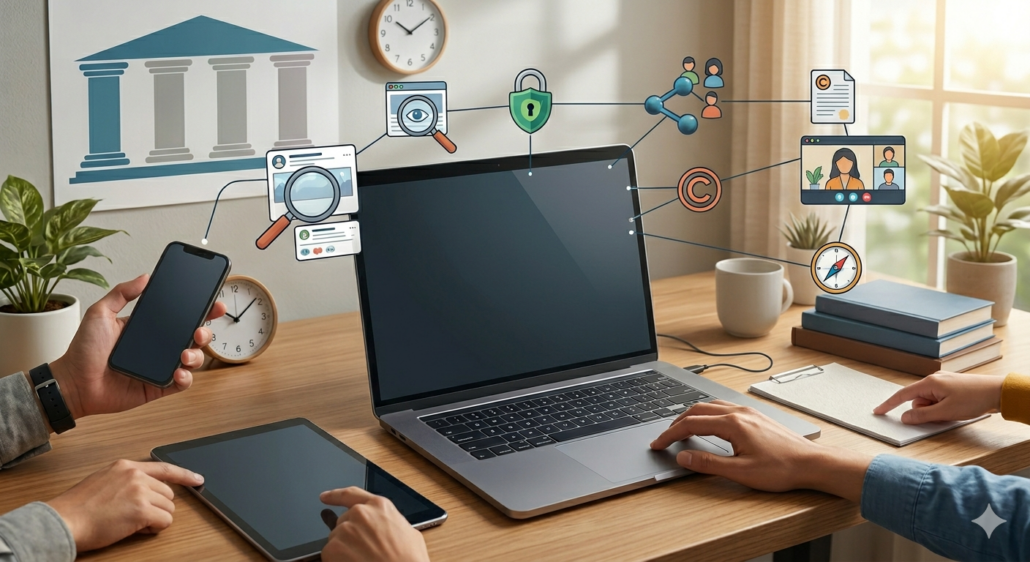
In the 21st century, technology isn’t just a tool; it’s the environment we live in. Since our world has shifted so rapidly, the definition of “literacy” also has had to grow. It’s no longer enough to just read and write; we now need to navigate, evaluate, and communicate through digital screens. Digital literacy has moved from being a “bonus” skill on a resume to a fundamental requirement for living a functional, informed life.
Why Digital Literacy Matters
Digital literacy is the engine that drives success in almost every aspect of modern life. It isn’t just about knowing how to use a computer; it’s about how those skills translate into real-world outcomes.
- Career Growth: In today’s job market, digital skills are non-negotiable. Beyond just using software, employers value the ability to adapt to new platforms and communicate effectively in a virtual space. This adaptability is what builds economic resilience.
- Educational Success: Learning has moved beyond the classroom. Whether it’s a fully online course or a hybrid model, students who master digital tools can access better resources and collaborate more effectively, setting them up for a tech-driven workforce.
- Social Inclusion: Technology should be a bridge, not a barrier. Digital literacy allows people to access essential services like healthcare or banking, and participate in the global conversation. It ensures that no one is left behind simply because they don’t know how to navigate an app.
- Critical Thinking: We are currently living through an era of information overload. Digital literacy provides the framework to question sources, spot biases, and use information ethically. While we are still learning exactly how much this protects us from misinformation, it remains our first line of defense.
How to Build Your Digital Literacy
Developing these skills is a lifelong process, but it generally follows a clear path of growth:
- Master the Basics: Start with the technical “how-to.” This means becoming comfortable with devices, common software, and the basic mechanics of online communication.
- Evaluate Information: This is the “why.” It’s the ability to look at a piece of content and determine if it’s credible, accurate, and ethical. In a world of “fake news,” this is perhaps the most vital survival skill.
- Practice Digital Ethics: Literacy includes how you treat others. This involves protecting your own data, respecting the intellectual property of others, and maintaining a responsible presence in digital communities.
- Stay Curious and Adaptable: Technology never stands still. The most digitally literate people are those who commit to continuous learning, whether through formal courses or simply by staying active in new digital spaces.
The Bottom Line
Digital literacy is the key to unlocking the opportunities of the modern world. It levels the playing field in education, empowers us in our careers, and helps us stay connected to society. As technology continues to evolve, our commitment to learning it must evolve too. By prioritizing these skills, we ensure that we aren’t just observers of the digital age, but active, informed participants in it.
Reference:
Mujiono, M. (2024). Digital literacy: fundamental competence for modern society. DIDAKTIKA Jurnal Pemikiran Pendidikan, 30(1), 15. https://doi.org/10.30587/didaktika.v30i1.6906
Ip, C. Y. (2024). Effect of digital literacy on social entrepreneurial intentions and nascent behaviours among students and practitioners in mass communication. Humanities and Social Sciences Communications, 11(1). https://doi.org/10.1057/s41599-023-02587-w
Alom, M. M., & R, V. (2024). DIGITAL LITERACY A PARADIGM SHIFT IN 21ST CENTURY. In 21st Century Teaching and Learning in Classroo (pp. 99–102). https://doi.org/10.58532/nbennurctch13
Written by: Thrya Abdulraheem Motea Al-aqab
Edited by: Meigitaria Sanita


