
The Influence of Social Media on Political Discourse
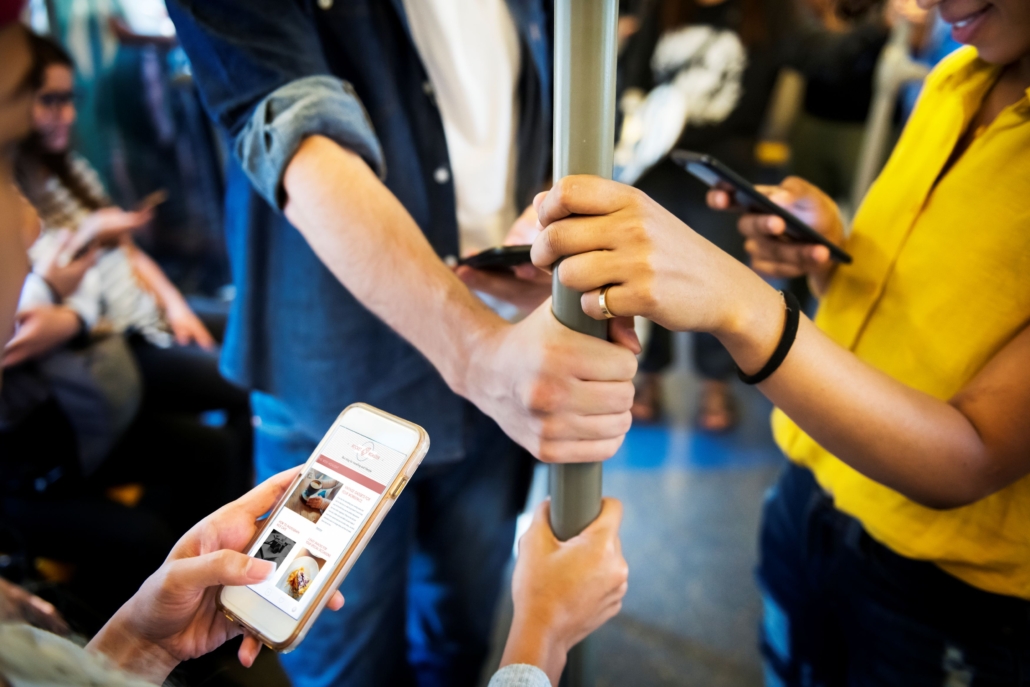
In the digital era, social media has become one of the most influential platforms shaping political discourse and public opinion. Platforms such as Instagram, X, Facebook, and TikTok allow citizens to access political information instantly, express opinions freely, and participate in political discussions beyond traditional media boundaries. While social media strengthens democratic participation by enabling open dialogue, it also introduces challenges such as political polarization, misinformation, echo chambers, and legal issues. This article aims to examine how social media influences political discourses.
Social media significantly influences political discourse by changing how political messages are created, distributed, and consumed. Unlike traditional media, social media allows two-way communication, where users are not only passive audiences but also active content producers. Moreover, social media encourages rapid political engagement by enabling users to comment, share, and react to political content in real time. This participatory nature amplifies political narratives and allows diverse voices to enter public discussions. Additionally, in the context of Indonesia, the most recent mass demonstrations illustrate how social media enabled nationwide participation and solidarity around a single political issue, as citizens from different regions used platforms such as Instagram and TikTok to share information, mobilize support, and engage in online advocacy even if they were unable to attend the protests physically.
As well as, social media algorithms prioritize engaging content, often promoting emotionally charged political messages. As a result, political discourse becomes more dynamic but also more fragmented, as users are exposed to selective information aligned with their interests and beliefs.
The Impact of Social Media Influence on Political Discourse
The influence of social media has a profound impact on political discourse and public opinion. One major impact is political polarization, where individuals increasingly align with extreme viewpoints due to repeated exposure to similar opinions within echo chambers. It is known that algorithm-driven content curation limits exposure to opposing perspectives, reinforcing ideological divisions. In Indonesia, the impact of social media on political discourse is also closely linked to legal and ethical concerns, particularly UU ITE. While UU ITE aims to regulate online expression and prevent hate speech and misinformation, it has sparked debates about freedom of speech and digital democracy. Furthermore, the rapid spread of political content on social media can shape public opinion quickly, sometimes without sufficient fact-checking, increasing the risk of misinformation and public distrust.
The Role of Communication in Digital Political Discourse
Communication plays a crucial role in shaping how political messages are interpreted and understood in the digital sphere. Effective political communication requires clarity, ethical responsibility, and media literacy to ensure that information shared on social media contributes positively to public discourse. Communication strategies in social media must consider audience diversity, cultural context, and the persuasive power of digital narratives. Moreover, communication scholars emphasize the importance of critical thinking and dialogic communication to counter polarization and echo chambers. By encouraging open dialogue and respectful discussion, communication can function as a bridge that connects differing political perspectives and promotes democratic values in online spaces.
Social media has become a powerful force in shaping political discourse and public opinion in the contemporary era. While it enhances political participation and accessibility of information, it also contributes to challenges such as polarization, echo chambers, and legal tensions related to digital expression. The influence of social media on political discourse cannot be separated from the role of communication, which determines whether political interactions foster understanding or division. Therefore, strengthening ethical communication practices, media literacy, and inclusive dialogue is essential to ensure that social media serves as a constructive platform for democratic political discourse rather than a source of conflict and misinformation.
Reference
Afyare, A. a. A. (2025, February 19). The influence of social media on political discourse and public opinion. https://socialscienceresearch.org/index.php/GJHSS/article/view/104299
Saputra, A. F. (2024, June 30). The role of social media in building political discourse: Political Polarization, UU ITE and echo chambers. Saputra | IJTIHAD. https://journals.fasya.uinib.org/index.php/ijtihad/article/view/548
The Impact of social media on Political Discourse: A Multidisciplinary analysis. (2024). SSRN, 19. https://doi.org/10.2139/ssrn.4922479
Written by: Thrya Abdulraheem Motea Al-aqab
Edited by: Meigitaria Sanita

