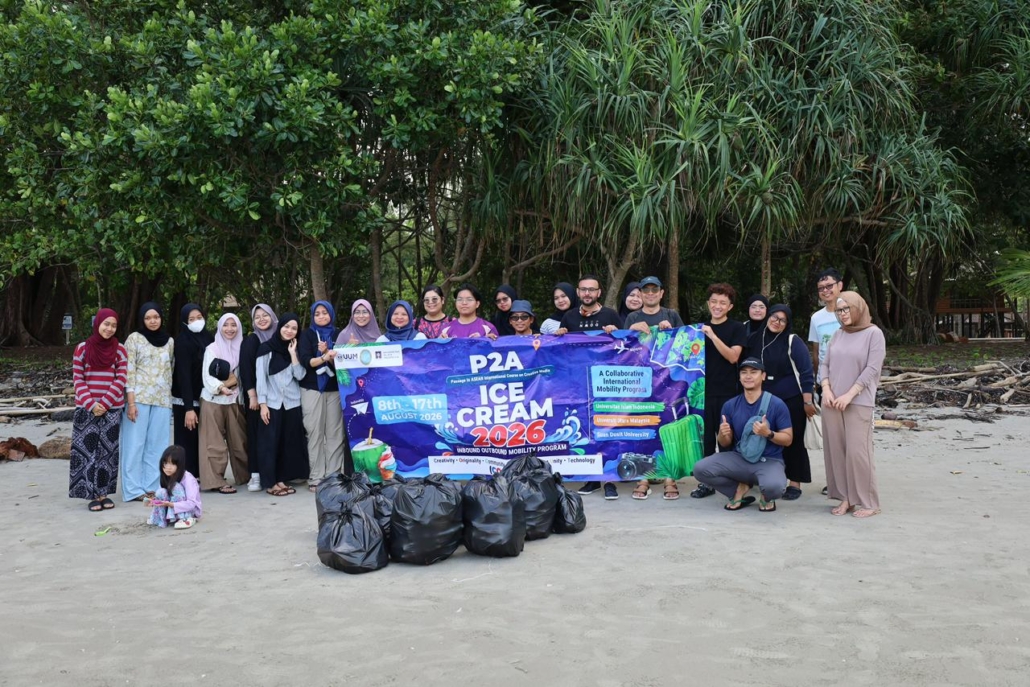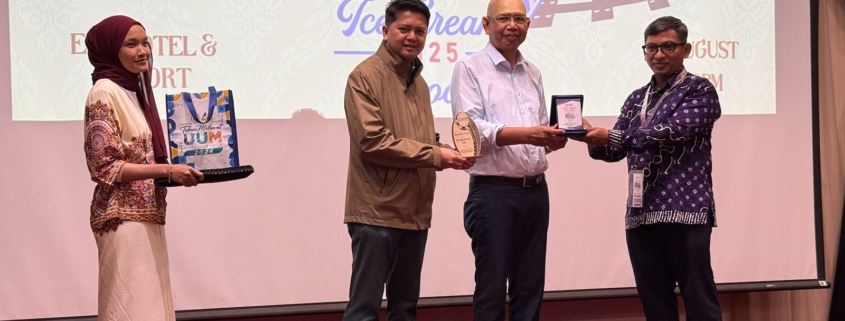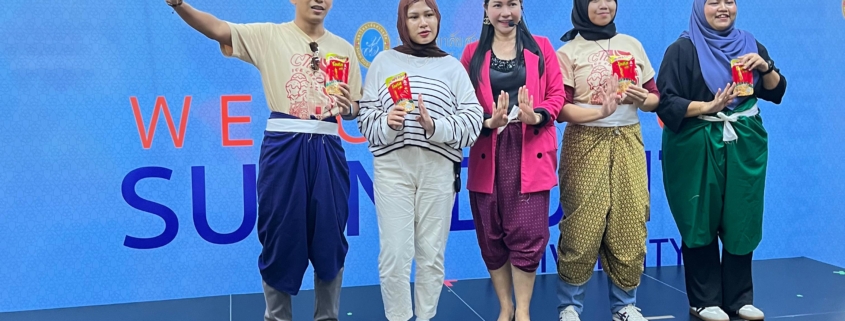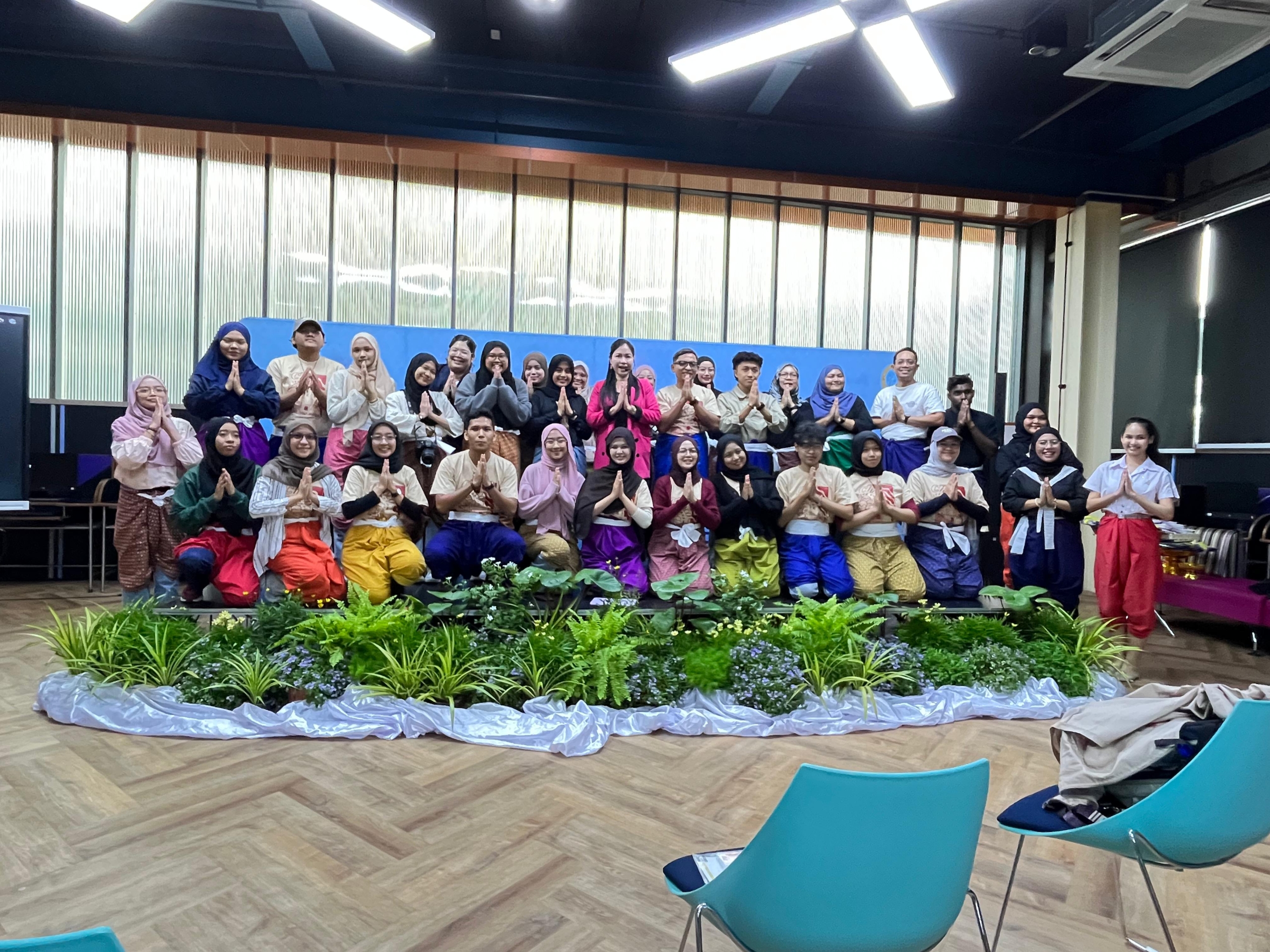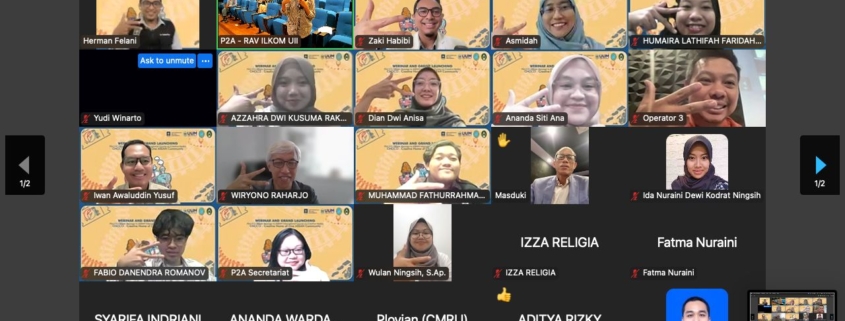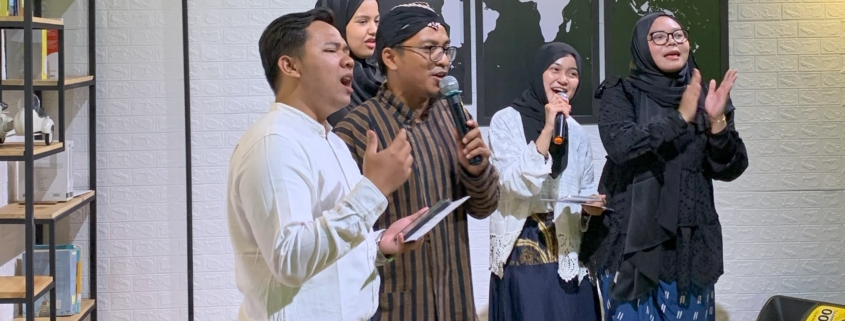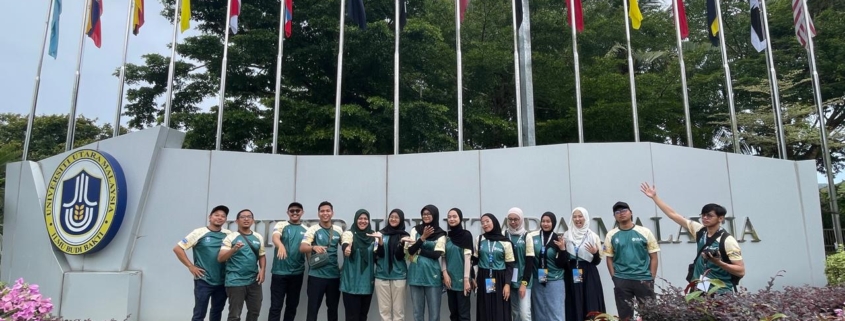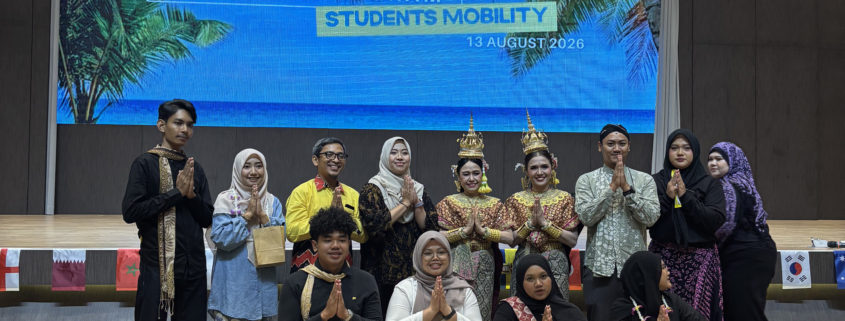
P2A ICE CREAM 2026, themed “COCONUT,” has just concluded. From August 7 to 17, delegations from three countries—Indonesia, Malaysia, and Thailand—collaborated on initiatives focused on communication, creativity, and culinary arts. This session brought together students, faculty, and staff from the Department of Communications at the Islamic University of Indonesia (UII), SCIMPA at Universiti Utara Malaysia (UUM), and Suan Dusit University (SDU) Trang Center in Thailand.
This event served as a reunion in 2026, as these three universities have been collaborating with SDU since 2022, while their partnership with SCIMPA at UUM has spanned nearly 8 years. This meeting strengthened the relationships that have been built.
Dr. Tiger, Director of the SDU Trang Center, expressed his appreciation for the continuity of the P2A ICE CREAM program. In his view, the program has consistently run smoothly every year. “This program has actually been running for many years, and I think we’ve been successful every year. We can see that this program is still continuing,” he said.
He also highlighted the program’s values of inclusivity, noting that students, faculty, and staff can collaborate and share experiences together. “Sometimes we focus on different ideas and cultures, and ultimately we come to understand each other’s perspectives in the same way. This is what makes us successful,” he added.
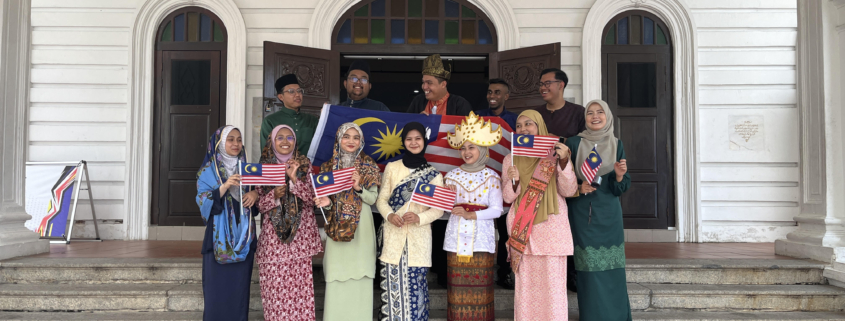
Dr. Mohamad Amir Bin Abu Seman, Co-Director of SCIMPA UUM, who oversees the program in Malaysia, noted that the program—designed to strengthen cross-cultural communication while challenging students to creatively document Malaysia’s landscapes—saw participants successfully produce work with strong visual quality and thematic relevance. “In particular, IPC students demonstrated exceptional visual storytelling. They successfully applied their communication studies background, which was clearly evident in their top scores for creativity, originality, and composition,” he explained.
Furthermore, the connections forged among students across national borders fostered a unique and insightful form of communication. The students made new friends and encountered new cultures. According to Palaswan, Coordinator of the SDU Tran Center, this initiative should be continued. “Moving forward, students can explore many opportunities through this program,” he said.
Meanwhile, Herman Felani, one of the founders of P2A ICE CREAM from IPC UII, emphasized that this program is not merely an academic activity but also a bond that fosters a sense of family. “We have become a family with SDU and UUM, and this connection is now growing stronger and better thanks to our commitment to future collaboration and mobility initiatives,” he explained.
With the enthusiasm and commitment of all three universities, P2A ICE CREAM 2026 will not only serve as a reunion but also lay the foundation for closer ASEAN collaboration in the future.
In Their Own Words:
“This program allows students to understand each other’s cultural differences and ideas. This is what makes us successful.” — Dr. Tiger, Director of SDU Trang Center
“P2A ICE CREAM Coconut is a truly extraordinary program! Students can make new friends and discover new cultures.” — Palasawan, SDU Trang Center
“We’ve become a family. These connections are growing stronger and better with our commitment to future collaboration.” — Herman Felani, Founder of P2A ICE CREAM
“The photography competition successfully strengthened cross-cultural communication and challenged students to be creative.” — Dr. Mohamad Amir Bin Abu Seman, Co-Director of SCIMPA UUM