
Gen Z as Digital Influencers in Conflict: The Power and Risks of Digital Activism
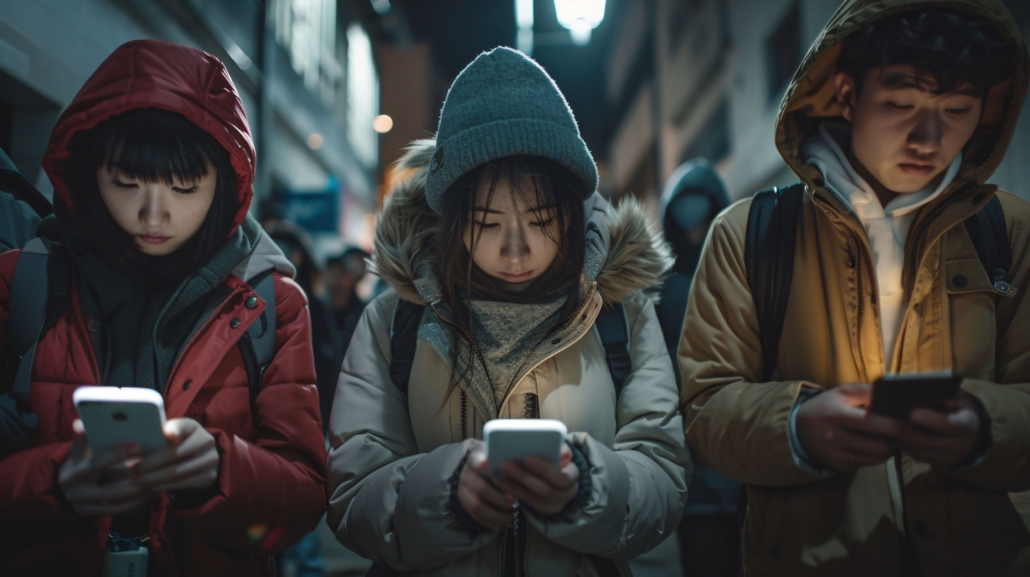
Generation Z, typically defined as individuals born between the late 1990s and early 2010s, has grown up in a highly digital and interconnected world. Unlike previous generations, they are deeply integrated into online environments where communication, information sharing, and social interaction happen instantly. This has led to the rise of digital activism, which refers to the use of online platforms to raise awareness, advocate for social issues, and influence public opinion. In the context of global conflicts, digital activism has become an important space where young people engage with issues such as human rights and civilian experiences.
Gen Z has emerged as a powerful group of digital influencers, capable of shaping conversations on a global scale. Through platforms such as TikTok, Instagram, and X, they share content that simplifies complex political situations and makes them more accessible to a wider audience. By using short videos, visual storytelling, and personal narratives, they are able to connect emotionally with viewers and draw attention to the realities faced by civilians in conflict areas. This form of engagement allows young people not only to consume information but also to actively participate in spreading awareness and influencing how others understand global events.
In addition to spreading information, Gen Z plays a significant role in shaping narratives around conflict. Social media platforms allow users to present events from specific perspectives, which can influence how audiences interpret and respond to those events. Through the use of hashtags, captions, and viral content, certain viewpoints gain more visibility and become dominant in online discussions. For example, during the recent escalation of the Gaza Strip conflict, hashtags such as #SaveSheikhJarrah and #GazaUnderAttack went viral across platforms like TikTok and Instagram. These hashtags were widely used by young users to highlight the experiences of Palestinian civilians and draw global attention to human rights concerns. As a result, the conflict was increasingly framed online as a humanitarian issue rather than only a political or military one, influencing how global audiences perceived the situation.
The speed and reach of these digital tools, including live streaming and algorithm-driven content, further strengthen the ability of these narratives to spread and shape public opinion in real time.
However, its influence comes with its own challenges, and one of the main risks is the rapid spread of misinformation, as content is often shared quickly without proper verification. This can lead to misunderstandings and the spread of false narratives, especially in complex conflict situations. Additionally, the visibility of online activism can expose individuals to risks such as surveillance, censorship, and harassment. In some cases, governments or other actors may monitor digital activities, creating potential dangers for those who speak out. Another concern is performative activism, where individuals engage with issues only on a surface level, such as sharing posts without a deeper understanding or meaningful action. This can reduce the overall impact of digital movements and oversimplify serious issues.
In conclusion, Generation Z has become a significant force in shaping how conflicts and human rights issues are discussed in the digital age. Through their use of social media, they spread information, influence narratives, and bring global attention to important issues. At the same time, their digital presence also highlights the challenges of online activism, including misinformation and potential risks for participants. This shows that while digital platforms provide powerful tools for awareness and engagement, they also require careful and responsible use.
Reference:
Bukhari, S. R. H. (2025, November 28). DIGITAL ACTIVISM OF GENERATION Z: THE ROLE OF SOCIAL MEDIA PLATFORMS IN YOUTH LED POLITICAL MOVEMENTS AND GOVERNMENT CHANGE.
http://www.pjssrjournal.com/index.php/Journal/article/view/326
Guesmi, H. (2021b, May 28). Generation Z will free Palestine. Al Jazeera. https://www.aljazeera.com/opinions/2021/5/28/generation-z-will-free-palestine
Sombatpoonsiri, J. (2025, September 30). The promises and pitfalls of the social Media–Fueled Gen-Z protests across Asia. Carnegie Endowment for International Peace. https://carnegieendowment.org/emissary/2025/09/social-media-gen-z-protests-nepal-indonesia-promises-pitfalls?lang=en
Written by: Thrya Abdulraheem Motea Al-aqab
Edited by: Meigitaria Sanita


