
The Influence of News Coverage on Public Understanding of Climate Change
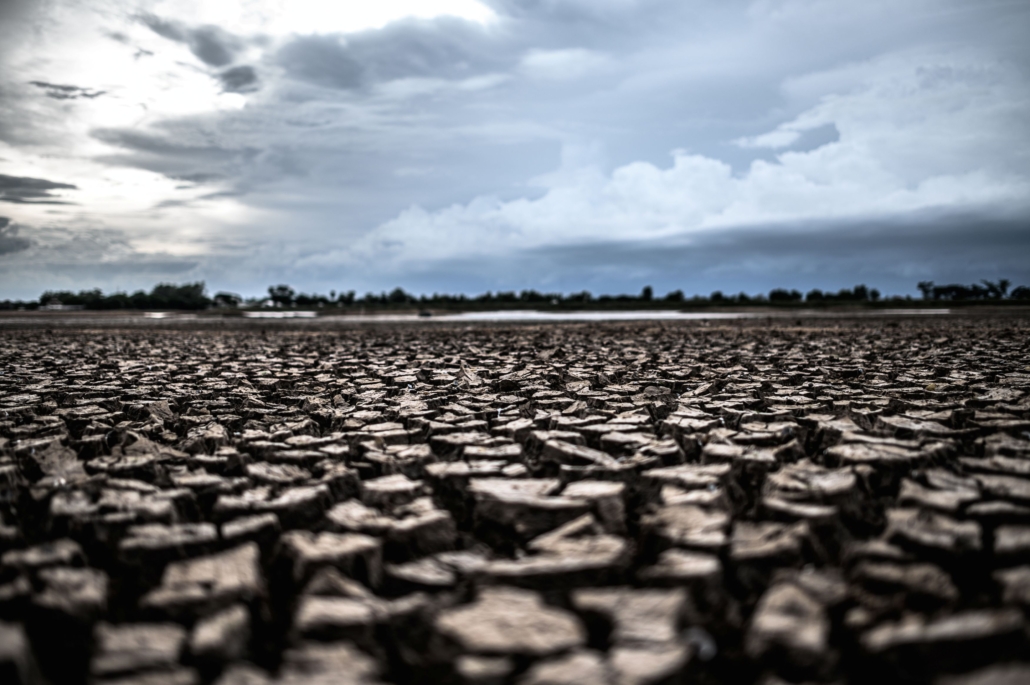
Climate change refers to long-term changes in global temperature and weather patterns, largely caused by human activities such as burning fossil fuels, industrial production, and deforestation. Scientific research has shown that rising greenhouse gas emissions are contributing to global warming, extreme weather events, melting ice caps, and rising sea levels. These environmental changes affect ecosystems, economies, and human health worldwide. Despite the seriousness of the issue, most people do not experience climate change directly in their daily lives. Instead, they learn about it through various forms of media, especially news coverage. For this reason, the way climate change is reported plays an important role in shaping public understanding of the issue.
News media influence public understanding by selecting which aspects of climate change to highlight and how to present them. Since audiences cannot access all scientific data themselves, they rely on journalists and media organizations to interpret complex information. The language used in news reports, the sources quoted, and the context provided all contribute to how people interpret climate change. For example, when news stories emphasize scientific evidence and present climate change as an urgent environmental problem, audiences are more likely to view it as serious and credible. On the other hand, when the media frames the issue as a political debate or presents it as controversial, public understanding may become divided or uncertain. Therefore, media framing plays a central role in shaping how climate change is perceived.
In addition to shaping interpretation, news coverage also influences the level of public attention given to climate change. Media organizations decide which topics receive frequent coverage and which are less visible. When climate change is consistently reported in headlines, special reports, or international events, public awareness tends to increase. However, when coverage decreases, public attention often declines as well. This pattern shows that the media has the power to guide what issues people think about. Although the media does not directly control individual opinions, it strongly influences which topics are considered important in public discussion.
Another important factor is the influence of political leaders and public figures on media coverage. News reports often include statements from government officials, policymakers, and experts. These elite voices can shape how audiences interpret climate change. When political leaders express concern and support for climate action, public concern may increase. In contrast, when leaders question scientific findings or minimize the issue, public understanding may weaken. Because the media frequently amplifies these voices, it becomes a channel through which political messages reach the public. As a result, media coverage can indirectly affect public opinion by choosing which voices to highlight.
Media coverage of major climate-related events, such as international climate conferences or natural disasters, can also temporarily increase public engagement. During these moments, news attention intensifies, and discussions about climate change become more visible. However, this attention is often short-term. Once the event passes and media focus shifts to other issues, public interest may decline. This rise and fall of attention suggests that public understanding of climate change is closely connected to the level of media coverage. Without consistent reporting, long-term engagement may be difficult to maintain.
Beyond informing the public, the media also play a broader social role. It acts as a bridge between scientists, policymakers, and citizens. Scientific research on climate change can be complex and technical, making it difficult for non-experts to understand. Journalists help translate this information into accessible language, allowing the public to engage with environmental issues. At the same time, the media contributes to democratic discussion by providing a platform for debate and policy discussion. In this way, news coverage not only spreads information but also shapes how climate change is discussed in society.
In conclusion, news coverage has a significant influence on public understanding of climate change. It shapes how the issue is framed, determines the level of public attention, and amplifies certain political and expert voices. Because most people rely on the media as their primary source of information about climate change, responsible and consistent reporting is essential. When media coverage is accurate, clear, and sustained, it can improve public understanding and encourage informed discussion. Therefore, the role of news media remains central in shaping how society understands and responds to climate change.
Reference:
Schwarz, Susan. (2009). Changing climate, changing minds; applying the literature on media effects, public opinion, and the issue-attention cycle to increase public understanding of climate change. Int J Sustain Commun 4:45-63.
Carmichael, J. T., & Brulle, R. J. (2016). Elite cues, media coverage, and public concern: an integrated path analysis of public opinion on climate change, 2001–2013. Environmental Politics, 26(2), 232–252. https://doi.org/10.1080/09644016.2016.1263433 Wonneberger, A.,
Meijers, M. H. C., & Schuck, A. R. T. (2019). Shifting public engagement: How media coverage of climate change conferences affects climate change audience segments. Public Understanding of Science, 29(2), 176–193. https://doi.org/10.1177/0963662519886474
Written by: Thrya Abdulraheem Motea Al-aqab
Edited by: Meigitaria Sanita


